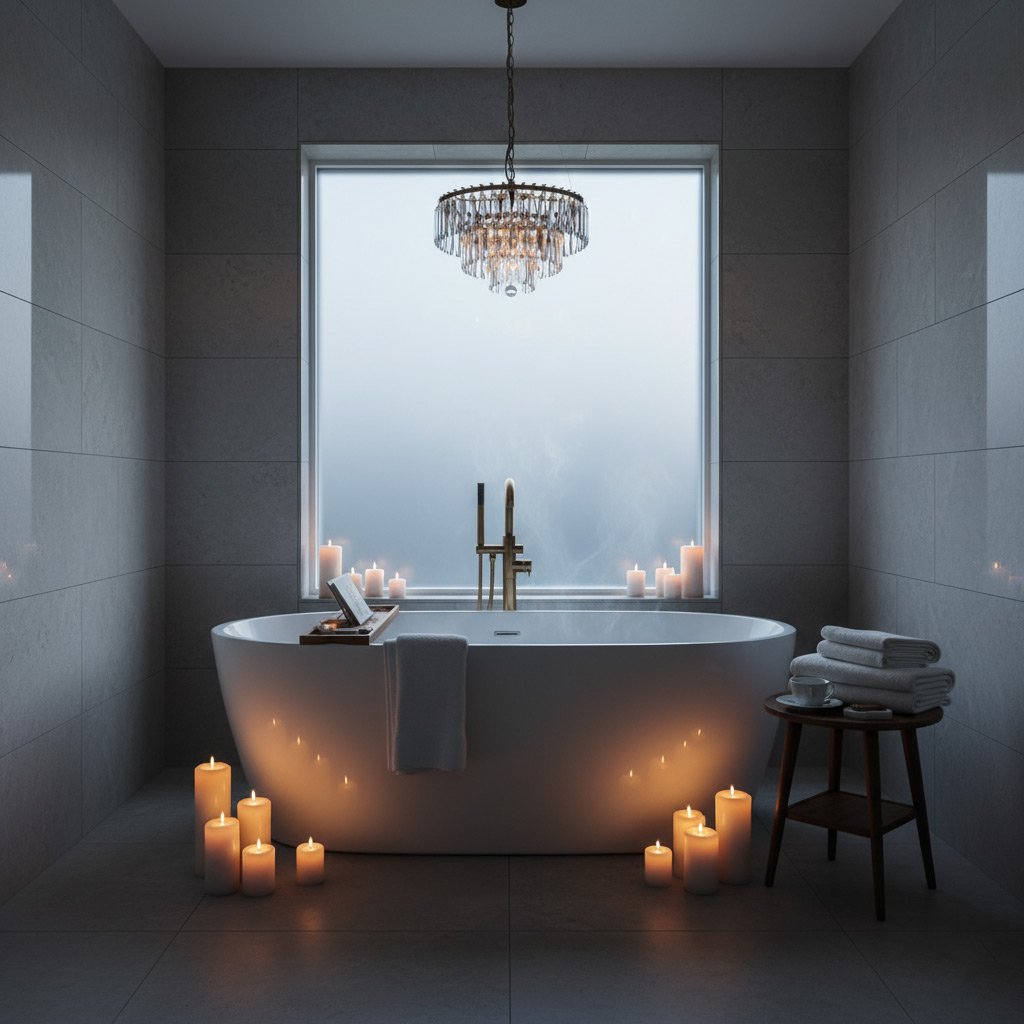
Picture this: you slide into a walk‑in tub that feels like a spa, but your bank account doesn’t scream “oops!” The right tub can add luxury and safety to your Queen Creek home without turning your remodel into a money‑pit.
Most homeowners jump in headfirst, ignoring the hidden costs that pop up later—like improper floor framing, mismatched plumbing, or a tub that doesn’t meet local building codes. Those slip‑ups can add thousands to the bill and delay the whole project.
In Queen Creek, the desert climate and specific zoning rules add another layer of complexity. Choosing a contractor who knows the area’s quirks can be the difference between a smooth install and a nightmare you’ll regret.
Now that you’ve seen the traps, let’s walk through the exact steps that keep your budget intact and your new tub ready for daily use.
Assessing Your Space, Budget, and Lifestyle Needs
Space Check
First, grab a tape measure and walk the bathroom floor like you’re scouting a new hunting ground. You need at least 24‑inches of clearance in front of the tub and a door wide enough for the tub’s entry panel.
Don’t forget the ceiling height—most walk‑in tubs sit at 36‑inches, but a low‑profile model can shave a few inches off if you have a sloped roof.
- Measure the existing floor joists; you’ll need to know the exact span.
- Check for obstacles: vanity, toilet, or built‑in shelves that might need relocation.
- Sketch a quick floor plan; visualizing the layout saves a lot of back‑and‑forth later.
Budget Reality Check
Set a hard ceiling for the tub itself, then add a 20‑30% buffer for hidden costs—think reinforcement, new plumbing, and permits.
Ask yourself: Will I finance the project or pay cash? The answer will dictate whether you chase a premium model or a solid mid‑range option.
- Factor in demolition and disposal fees; they’re rarely free.
- Include a contingency for unexpected code upgrades in Maricopa County.
- Get three written quotes before you sign; the lowest isn’t always the best.
Lifestyle Fit
Consider how often the tub will be used. If it’s a daily therapeutic ritual, invest in a model with built‑in jets and easy‑reach controls.
For occasional use, a simpler, lighter tub can keep the project lean and still deliver that spa‑like feel.
- Mobility needs: grab bars, low step‑in height, and non‑slip surfaces.
- Family dynamics: a tub that can accommodate a child or a pet without hassle.
- Maintenance preferences: acrylic vs. cast iron, each has its own cleaning routine.
Choosing the Ideal Walk‑In Tub Model for Queen Creek’s Climate and Design Preferences
Climate‑Smart Materials
Desert heat means you want a tub that stays cool to the touch yet retains warmth when you’re soaking. Acrylic and fiberglass panels are lightweight, resist cracking, and won’t warp under the sun’s glare.
Consider a model with a thermal‑insulated liner if you plan to run hot water for long baths; it cuts energy use and keeps the water temperature steady.
- Low‑maintenance surface – wipes clean, resists mineral buildup.
- UV‑stable coating – prevents fading from Arizona sunshine.
- Water‑conserving fill options – perfect for drought‑prone seasons.
Design Elements That Fit Queen Creek Homes
Modern ranches and Southwestern ranch‑style homes dominate the neighborhood, so pick a tub that complements stone, wood, or stucco accents. A low‑profile, rectangular shape slides under most vanity cabinets without sacrificing interior space.
Door style matters: a hinged door offers a classic look, while a sliding door saves room in tighter bathrooms.
- Integrated grab bars – safety without looking clinical.
- Customizable color panels – match your tile palette.
- Optional side‑wall seating – adds comfort for seniors.
Feature Checklist
Don’t let “extra” features become a budget surprise. Write down what you truly need before the showroom walk‑through.
Prioritize items that add value in a desert climate, like a heated backrest or a built‑in water‑heater loop.
- Air‑jet vs. water‑jet massage – decide based on maintenance willingness.
- Digital control panel – easy to set temperature, timer, and lighting.
- LED mood lighting – creates a spa vibe without extra electricity.
Verifying Structural Support: Floor Framing, Load Capacity, and Reinforcement Requirements
Why Floor Strength Matters
Before you even pick a tub, you need to know if your bathroom floor can handle the extra weight. A typical walk‑in tub plus water can add 300‑500 lbs to the spot where it sits. If the joists are old or undersized, you’re looking at cracks, sagging, or a costly redo.
Check the Joists and Load Rating
Grab a tape measure, a flashlight, and a friend. Locate the joist direction, measure the spacing, and note the wood species. Then compare those numbers to the load rating listed in the tub’s installation guide.
- Standard 2×8 joist at 16‑in. spacing: ~55 lb/ft²
- Reinforced 2×10 joist at 24‑in. spacing: ~70 lb/ft²
- Engineered I‑beam: up to 120 lb/ft²
Reinforcement Options
If your existing framing falls short, you have three practical routes. First, add sister joists—another board nailed alongside the existing one. Second, install a cross‑beam beneath the tub’s footprint for extra stiffness. Third, bring in a structural engineer to design a custom steel support if the bathroom sits over a slab or crawl space.
Don’t skimp on the fasteners. Use #10 deck screws or structural bolts, and stagger them every 6‑8 in. A solid, level base will keep the tub level, and keep you from paying for a surprise repair down the road.
Plumbing, Electrical, and Building Code Compliance in Maricopa County
Plumbing Essentials
Before the tub even touches the floor, the water lines must be sized for a full‑flow, low‑pressure experience that the desert heat loves. In Maricopa County, a ½‑inch copper or PEX line is the minimum for a walk‑in tub’s faucet and jet system. Don’t forget to install a dedicated shut‑off valve within arm’s reach of the tub—this is a non‑negotiable for both safety and code.
- Check for existing pipe corrosion; replace if needed.
- Run a pressure‑test after installation; the city requires a 150‑psi pass.
- Include a backflow preventer to protect your water supply.
Electrical Considerations
Walk‑in tubs often feature heated seats, LED lighting, and hydro‑massage pumps, all of which draw power. Arizona’s code mandates a GFCI‑protected 20‑amp circuit dedicated solely to the tub. Keep the wiring at least 12‑gauge copper, and route it through a conduit that meets the National Electrical Code (NEC) Article 680 for wet locations.
- Label the breaker clearly—future homeowners will thank you.
- Use a waterproof junction box rated for 125°F or higher.
- Schedule an electrician’s inspection before closing the walls.
Building Code Compliance
Maricopa County’s building department is strict about load‑bearing floors and egress. Your tub’s weight, plus water, can exceed 1,200 lb, so the floor joists must be reinforced to handle at least a 150 psf live load. A structural engineer’s stamp on the plans is often required before the permit is issued.
- Obtain a plumbing permit, an electrical permit, and a structural permit.
- Schedule the final inspection within 30 days of completion.
- Keep all paperwork on file; it protects you during resale.
Selecting a Qualified Local Contractor and Managing the Installation Timeline
Know the Credentials
Start with a list of contractors who specialize in walk‑in tubs and have a solid track record in Queen Creek. Ask for a copy of their Arizona contractor’s license and proof of insurance; a reputable pro won’t hide this.
Check references that actually used a walk‑in tub, not just a generic bathroom remodel. Call at least two past clients and ask how the crew handled surprises.
- License number and expiration date
- Worker’s comp and liability coverage
- Portfolio of recent walk‑in tub installs
- Local reviews on Google, Angie's List, or HomeAdvisor
Map Out the Timeline
Once you’ve picked a contractor, lock down a realistic schedule. A typical install runs 2‑4 weeks, but you need milestones: demolition, framing, plumbing, electrical, tub placement, and final inspection.
Ask for a written timeline with dates and who’s responsible for each step. Weekly check‑ins keep everyone honest and let you spot delays before they become costly.
Contract, Warranty, and the Fine Print
Never sign a blank contract. It should spell out labor rates, material costs, and a clear warranty on both the tub and the workmanship.
Look for a clause that covers “change orders.” If the floor needs extra reinforcement, you’ll know the price before the crew lifts the tub.
Case Study: Seamless Walk‑In Tub Installation in a Queen Creek Residence
Background
When the Martinez family decided to upgrade their master bathroom, they wanted a walk‑in tub that could handle Arizona’s heat without breaking the bank. Their 12‑year‑old home had a modest bathroom footprint, and the existing floor joists were barely rated for a standard tub.
Key challenges they faced:
- Limited floor space – only 5’ × 7’ usable area.
- Older framing that needed reinforcement.
- Local code requirements for water‑tight seals in a desert climate.
Solution & Timeline
We paired the Martinez’s budget with a hydro‑therapy walk‑in tub designed for low‑water usage, perfect for Queen Creek’s dry season. Our contractor installed additional 2×6 joists and a steel support beam, finishing the structural work in just two days.
Plumbing was rerouted to a nearby utility closet, and a dedicated 20‑amp circuit was added for the tub’s built‑in heater. All work passed Maricopa County inspections on the first try, saving the family from costly re‑work.
Results
The final install cost $4,200 less than the original estimate because we caught the framing issue early and avoided a full bathroom gut. The Martinez family now enjoys a spa‑like soak every night, and the tub’s energy‑efficient pump has lowered their utility bill by about 12%.
Homeowner feedback: “It feels like a luxury retreat, and we didn’t have to dip into our emergency fund.” That’s the kind of win‑win we aim for in every Queen Creek remodel.
Final Words
When you lock in a walk‑in tub that fits your space, budget, and the desert heat, you’re not just buying a fixture—you’re investing in peace of mind. A well‑planned install means you’ll spend more evenings soaking and less time chasing surprise invoices.
Key takeaways to lock down before you sign the contract
- Confirm floor framing can handle the tub’s weight plus water.
- Verify all plumbing and electrical work meets Maricopa County codes.
- Choose a contractor with proven Queen Creek experience and solid references.
Keep this checklist handy, and you’ll sidestep the common pitfalls that turn a simple upgrade into a costly nightmare. Ready to see the options? Check out our full Walk In Tub lineup and start planning the spa‑like retreat you deserve.
People Also Ask
What size walk‑in tub fits typical Queen Creek bathrooms?
A standard walk‑in tub is 60‑70 inches long and 32‑36 inches wide, which fits most full‑size bathrooms in Queen Creek. Measure your space carefully and allow extra clearance for doors and accessories.Do I need a structural engineer to approve a walk‑in tub installation?
If the tub adds more than 300 lb of load, a structural engineer should verify floor joist capacity and recommend reinforcement. This prevents sagging or damage to the home’s framing.What are the key plumbing considerations for a walk‑in tub in Maricopa County?
Ensure proper venting, adequate water pressure, and a dedicated drain line that meets the county’s plumbing code. Using a licensed plumber familiar with local regulations avoids costly re‑work.How can I choose a qualified contractor for my walk‑in tub project?
Look for contractors with a current Arizona contractor’s license, positive BBB reviews, and specific experience installing walk‑in tubs. Request references and a detailed written estimate before signing.What maintenance tasks keep a walk‑in tub safe in the desert climate?
Regularly clean the tub’s seals and check for water‑damage or corrosion caused by high humidity. Schedule annual inspections of the pump, heater, and safety rails to ensure reliable operation.
Queen Creek Bathroom Remodel specializes in custom bathroom renovations, bringing over a decade of craftsmanship to homes throughout Queen Creek, Arizona. Their team combines local knowledge with meticulous attention to detail to transform spaces into functional, stylish retreats. Committed to personalized service, they guide each project from design through completion, ensuring results that reflect the unique needs of the community.
Need Bathroom Remodel?
Fast, high‑quality bathroom remodels in Queen Creek and surrounding ZIPs (85140, 85141, 85233, 85234, 85295) that transform your space and boost home value. We deliver completed projects on schedule so you can enjoy your new bathroom sooner.
Get Bathroom Quote