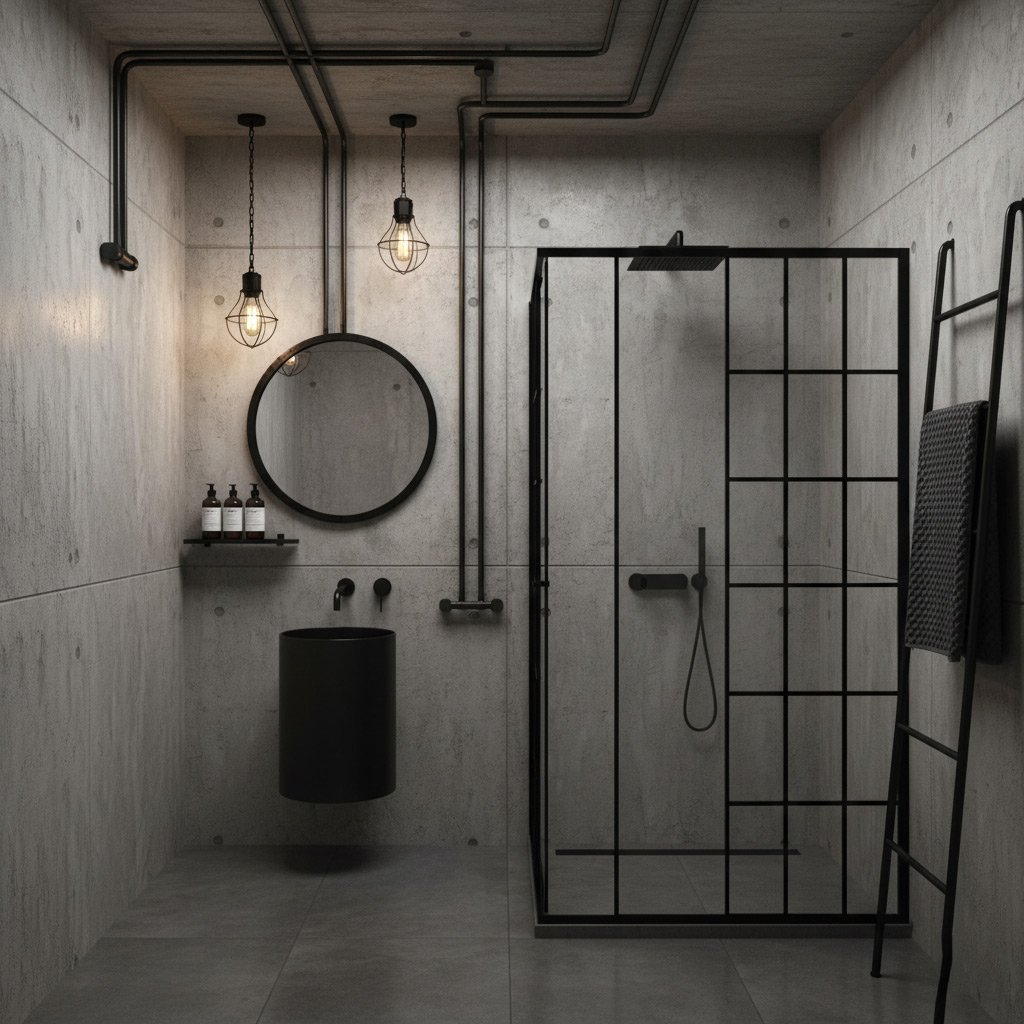
Picture this: you open the bathroom door and the space feels like a high‑end resort, yet the price tag looks like a smart home upgrade. That’s the power of acrylic wall panels—slick, waterproof, and surprisingly easy on the wallet.
In Queen Creek’s desert heat, acrylic doesn’t crack, warp, or fade the way tile can. It’s lightweight, low‑maintenance, and comes in a lineup of finishes that can mimic marble, stone, or even a bold, modern look.
Now that you see why acrylic is a game‑changer, let’s dive into the exact factors that will help you pick the perfect panels for your bathroom and make every morning feel like a mini‑vacation.
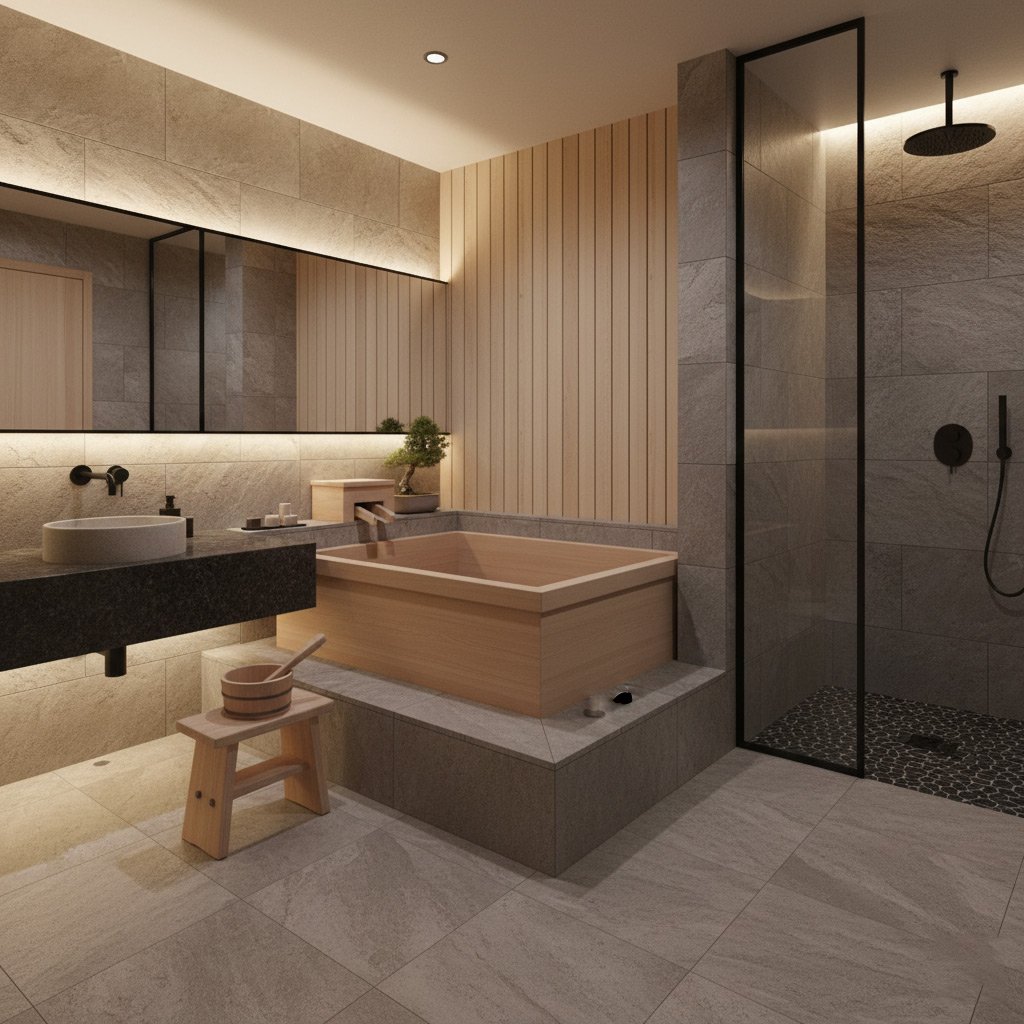
Understanding Acrylic Bath Wall Materials and Construction
What Acrylic Really Is
Acrylic bath panels start with a sheet of high‑impact polymer that’s poured into a mold and cured under heat. The result is a slab that’s both lightweight and tougher than glass. Because the material is non‑porous, water can’t seep in, which means no hidden mold behind the wall.
Layer‑by‑Layer Breakdown
Think of an acrylic wall like a sandwich: a solid core, a protective coating, and a decorative surface. Each layer plays a role in durability and look.
- Core: ¼‑inch to ½‑inch thick acrylic resin that gives strength without adding weight.
- Reinforcement: Fiberglass or polymer mesh woven into the core to stop cracking under temperature swings.
- Topcoat: A UV‑resistant clear coat that guards against fading from the Arizona sun.
- Design layer: Printed or embossed film that mimics marble, stone, or sleek solid colors.
How It’s Built for the Desert
In Queen Creek’s heat, acrylic expands and contracts less than ceramic tile, so the panels stay flat and true. The manufacturing process also adds a thermal buffer that absorbs daily temperature shifts, keeping the wall looking fresh year after year.
Evaluating Durability and Performance in Queen Creek’s Climate
Heat resistance that actually works
Queen Creek summers can push 110°F, and many wall materials start to bow or fade. Acrylic panels stay flat because they have a low coefficient of thermal expansion, meaning they absorb heat without cracking.
Unlike ceramic tile, acrylic doesn’t sweat in the sun. That translates to fewer grout lines that can loosen or discolor.
Moisture, mold, and everyday wear
Every shower creates a humid micro‑climate. Acrylic is non‑porous, so water slides right off and mold never gets a foothold.
When you wipe it down with a mild cleanser, the surface stays glossy. Scratch‑resistant coatings protect against accidental scuffs from razors or toiletries.
- UV‑stable pigments keep color true for years.
- Impact‑resistant core handles accidental bumps.
- Seam‑locking design prevents water seepage behind the panels.
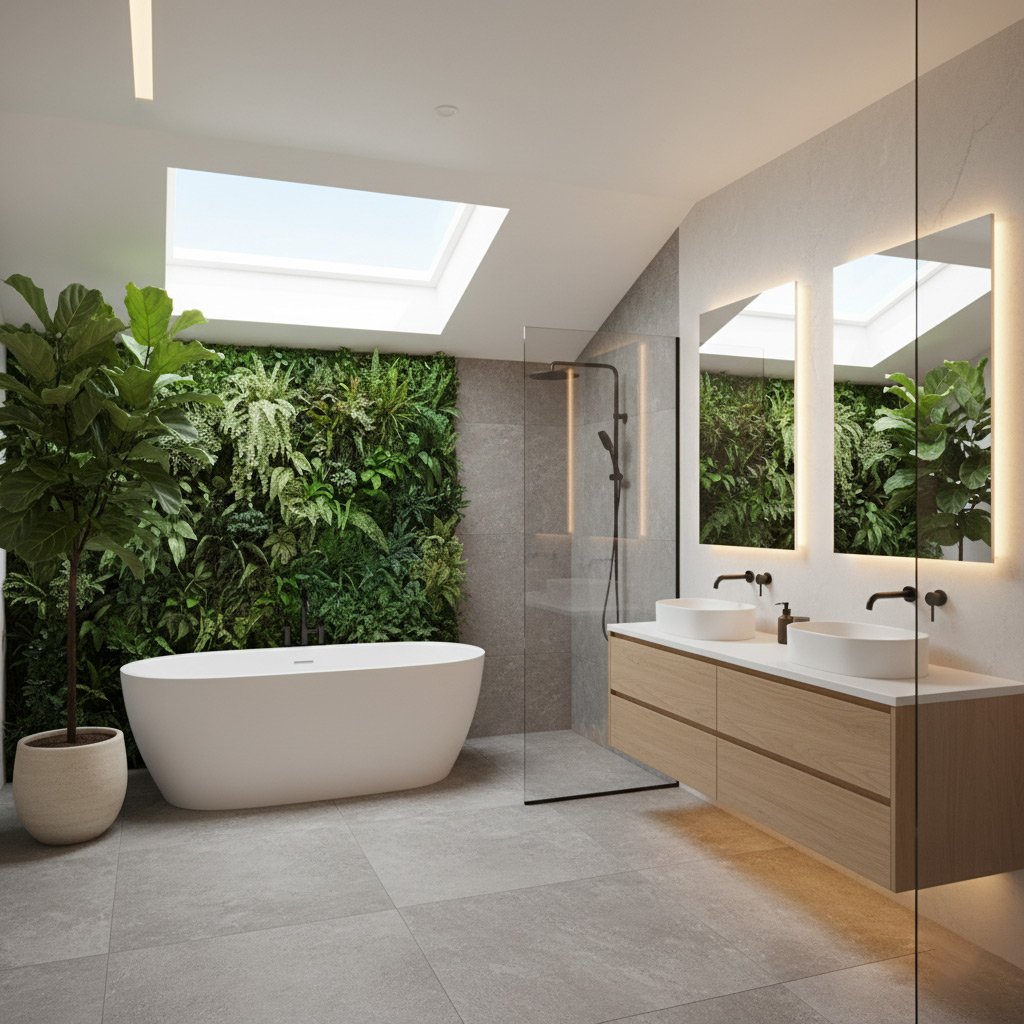
Choosing the Right Finish, Color, and Style for Your Design Vision
Finish Options
First thing’s first: the finish sets the tone. Glossy panels bounce light like a mirror, perfect for a cramped bathroom that needs a lift. Matte or satin finishes mute glare, giving a spa‑like calm that pairs well with soft lighting.
Here’s a quick cheat sheet:
- Gloss – high shine, modern vibe, easy to clean.
- Matte – subtle, hides water spots, great for rustic looks.
- Satin – the happy medium, low glare, versatile.
- Textured – adds grip, mimics stone, ideal for high‑traffic zones.
Color Play
Color isn’t just a hue; it’s a mood. Light neutrals expand space, while deep blues or charcoal anchor a bold design. If you love the desert outside, consider warm sand tones that echo the landscape without clashing with tile or grout.
Pro tip: mix a primary wall panel color with a secondary accent strip. It creates visual interest without overwhelming the eye.
Style Sync
Match the panel style to the rest of the bathroom. A sleek, seamless panel works wonders with floating vanities and frameless glass. If you’re going for a farmhouse feel, look for panels that mimic reclaimed wood grain or subtle stone veining.
Don’t forget the hardware. Brushed nickel fixtures complement cool tones, while oil‑rubbed bronze adds warmth to earthy palettes. Aligning finish, color, and style makes the whole room feel intentional, not thrown together.
Matching Acrylic Panels with Fixtures, Lighting, and Layout
Fixture Pairings that Click
When you pick a glossy white acrylic wall, a brushed‑nickel faucet looks like it belongs. Contrast works too—dark matte hardware pops against a light‑stone panel.
Keep the visual weight balanced. If your showerhead is a statement piece, let the panels stay neutral; if the panels are bold, choose simple, streamlined fixtures.
- Chrome or polished nickel for sleek, modern looks
- Oil‑rubbed bronze for a warm, rustic vibe
- Matte black for an industrial edge
Lighting That Highlights
LED strips tucked behind a recessed edge make acrylic glow like a sunrise. Don’t let harsh fluorescents wash out the color.
Position vanity lights at eye level to avoid shadows on the panels. A dimmable over‑shower light lets you set the mood without fighting glare.
- Warm‑white LEDs (2700‑3000K) for a spa feel
- Cool‑white LEDs (4000‑5000K) for crisp, clean lines
- Accent spotlights to showcase a patterned panel
Layout Tricks for Flow
Run the acrylic from floor to ceiling on the back wall, then let the tile or stone extend on the side walls. This creates a visual anchor and makes the space feel larger.
Plan the panel seams where a towel bar or niche will sit. It hides the joint and adds a functional touch without extra trim.
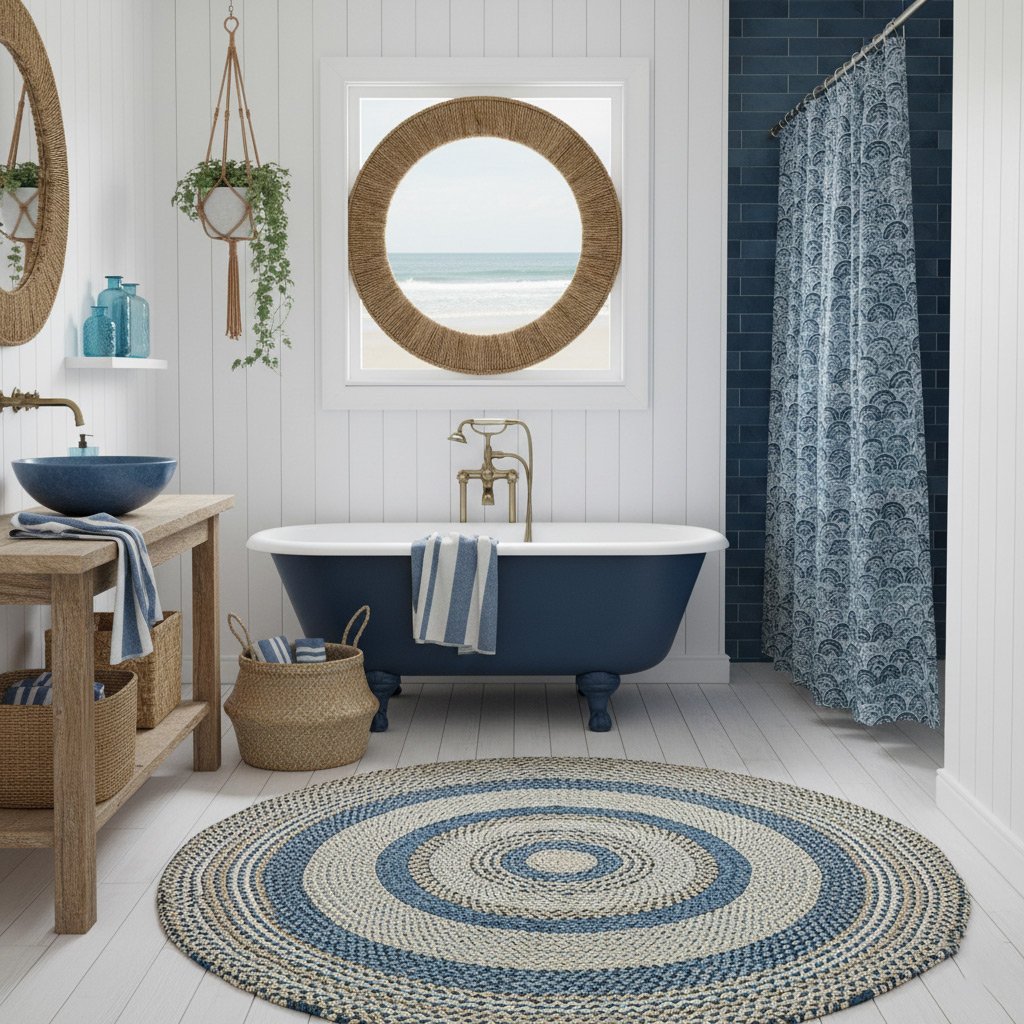
Budgeting, Cost‑Comparison, and ROI for Acrylic vs. Tile
Up‑Front Numbers
When you compare the price tag, acrylic panels typically sit 30‑40% lower than premium tile, and the labor bill is a fraction of the time it takes to set grout and back‑fill a wall.
Installation speed matters—a crew can finish a full bathroom in one day with acrylic, while tile often drags on for a week or more, adding rent‑or‑mortgage costs.
Lifetime Value
Think beyond the initial spend. Acrylic’s non‑porous surface resists mold, so you’ll spend less on cleaners and sealants over the years.
Tile may look classic, but it can chip, crack, or need re‑grouting, which adds hidden expenses. Here’s a quick side‑by‑side:
- Material cost: Acrylic $25‑$45 per sq ft vs. Tile $40‑$80 per sq ft.
- Installation labor: Acrylic $5‑$10 per sq ft vs. Tile $15‑$30 per sq ft.
- Maintenance: Acrylic minimal vs. Tile regular sealing and grout repair.
Smart Budget Moves
Start with a clear ceiling. If you’re aiming for a high‑impact look without blowing the budget, choose a mid‑range acrylic finish that mimics marble.
Consider financing options that spread the cost over 12‑24 months; many local remodelers in Queen Creek offer zero‑interest plans that keep cash flow healthy while you reap the resale boost.
Case Study: Transforming a Queen Creek Family Bathroom with Acrylic Panels
The Challenge
When the Martinez family moved into their new home, the master bath felt like a relic from the 90s—cracked tile, leaky grout, and a color palette that screamed “budget”. They needed a makeover that could survive the desert heat without turning into a maintenance nightmare.
Key pain points:
- Tile was prone to cracking after summer’s temperature swings.
- Grout required monthly scrubbing.
- Design vision called for a spa‑like vibe, not a dated look.
The Solution
We introduced 12‑mm acrylic wall panels in a matte marble finish. The panels snap together, so installation wrapped up in two days—no demolition, no mess.
Installation highlights:
- Panels sealed at the seams, eliminating water infiltration.
- Lightweight sheets reduced labor costs by 30%.
- Custom cutouts for the vanity and shower niche kept the look seamless.
The Outcome
Within weeks, the Martinez bathroom looked like a boutique resort. The family reported a 50% drop in cleaning time and praised the cool‑to‑touch surface during scorching afternoons.
Financial payoff:
- Initial investment: $4,200.
- Compared to a traditional tile remodel, they saved roughly $1,800.
- Home appraisal added $7,500 in value, delivering a solid ROI.
Final Words
Before you swing that hammer, take a moment to lock in the basics. A solid plan saves you from surprise trips to the hardware store and keeps the project on schedule. Think of it as your bathroom’s cheat code: measure twice, order once, and you’ll avoid costly re‑orders.
Quick Checklist
- Confirm panel dimensions against your wall layout.
- Match the finish to your lighting scheme – glossy for bright spaces, matte for a softer vibe.
- Verify the warranty and cleaning guidelines from the manufacturer.
- Set a realistic budget that includes trim, adhesive, and a little buffer for unexpected tweaks.
When you’re ready to see the full range of options, swing by our Acrylic Bath Walls page. There you’ll find samples, installation tips, and a gallery of real‑world makeovers that prove acrylic can hold its own against tile—without the headache.
People Also Ask
What are the main components of acrylic bath wall panels?
Acrylic bath walls consist of a solid acrylic core sandwiched between two layers of protective resin, often reinforced with a fiberglass mesh. This construction provides a lightweight, non‑porous surface that resists cracking and moisture.How does Queen Creek’s desert climate affect acrylic wall durability?
The hot, dry summers and occasional monsoon humidity can cause traditional tile grout to deteriorate, while acrylic panels remain stable because they do not absorb water or expand with temperature changes. Proper UV‑stable acrylic ensures the finish won’t fade under intense sunlight.Can I match acrylic panels with my existing bathroom fixtures?
Yes, acrylic panels are available in a wide range of colors, textures, and finishes that can complement chrome, brushed nickel, or matte black fixtures. Many manufacturers also offer custom edge profiles to align perfectly with vanity tops and showerheads.Is installing acrylic bath walls more cost‑effective than tile?
Acrylic panels typically cost 30‑40% less than high‑end tile, and installation time is reduced by up to 50%, lowering labor expenses. The quicker turnaround also means less disruption to your home, improving overall ROI.What maintenance is required to keep acrylic walls looking new?
Acrylic surfaces need only regular cleaning with a mild, non‑abrasive cleanser and a soft cloth. Avoid harsh chemicals or scouring pads, and reseal any seams annually to maintain water resistance.
Queen Creek Bathroom Remodel specializes in comprehensive bathroom renovations, bringing over a decade of craftsmanship to homes throughout Queen Creek, Arizona. Their team combines local knowledge with meticulous attention to detail to deliver functional and stylish spaces that reflect each homeowner’s vision.
Need Bathroom Remodel?
Fast, high‑quality bathroom remodels in Queen Creek and surrounding ZIPs (85140, 85141, 85233, 85234, 85295) that transform your space and boost home value. We deliver completed projects on schedule so you can enjoy your new bathroom sooner.
Get Bathroom Quote