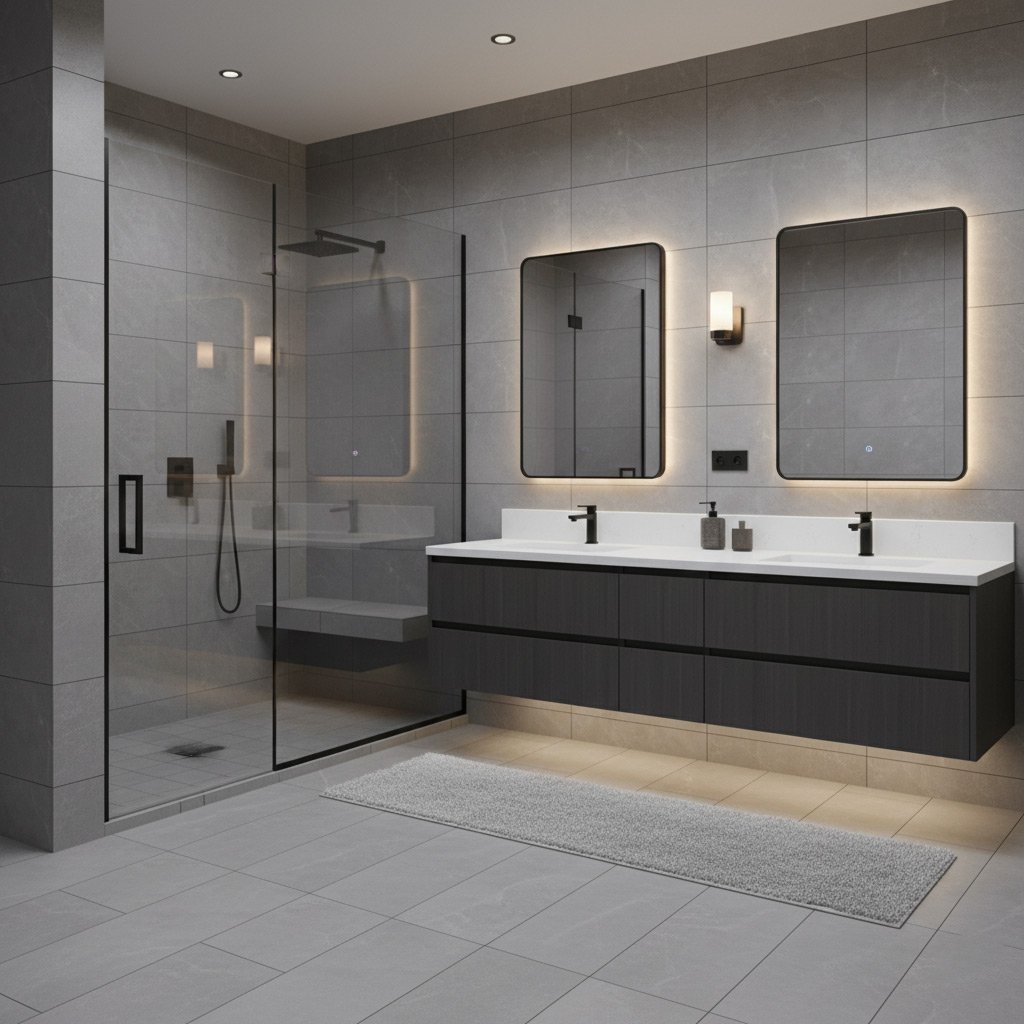
Imagine stepping into a shower that feels like a five‑star resort, right in your Queen Creek home.
Most homeowners rush the job, end up with leaky tiles or a tub that looks cheap, and wonder why the budget blew up.
What if you had a proven, no‑nonsense checklist that catches every mistake before the contractor even lifts a wrench?
Grab the list, follow the steps, and watch your new shower go from “just another remodel” to the centerpiece of your bathroom.
Defining Your Shower Vision: Layout, Size, and Budget
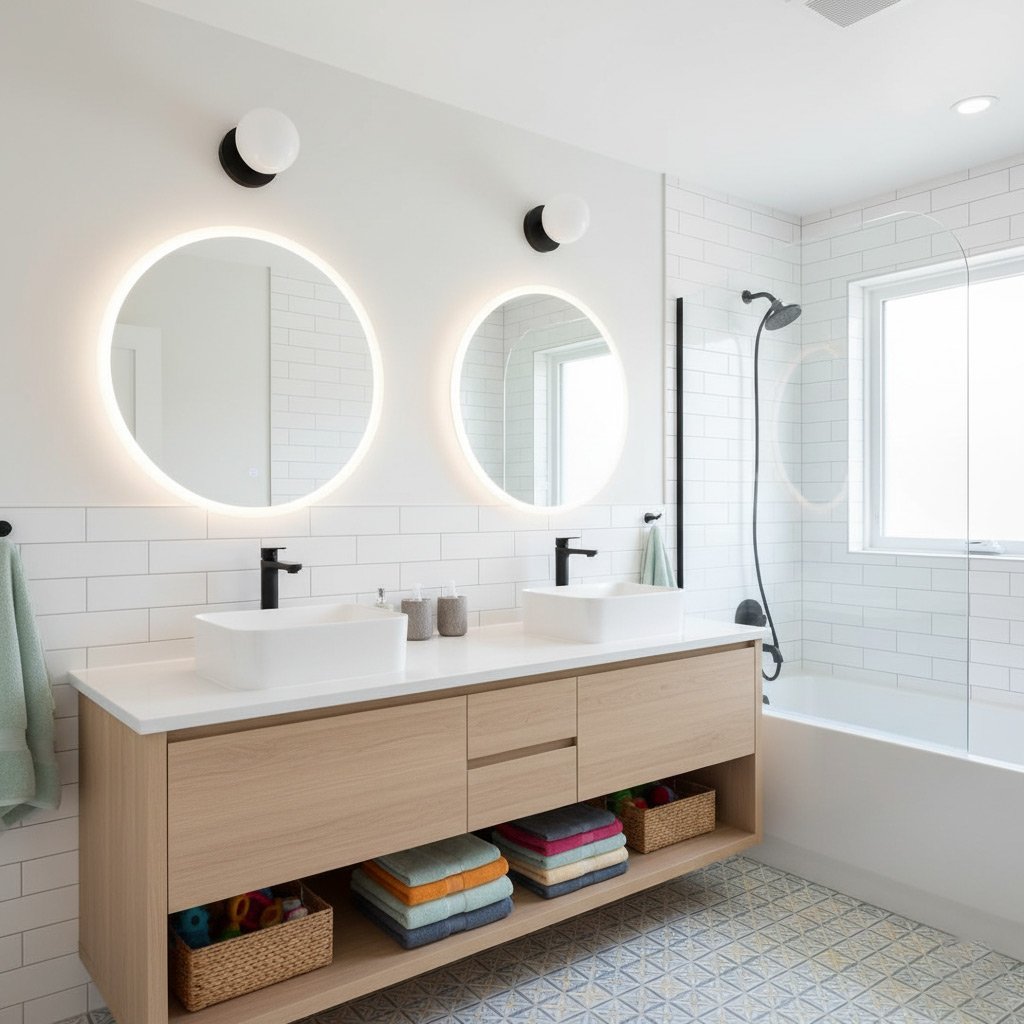
Before you even pick a tile, you need a crystal‑clear picture of what you want to walk into every morning. A well‑planned vision stops surprise costs and keeps the contractor from guessing. Think of it as drawing the blueprint for your personal spa.
Layout Basics
- Identify the primary traffic flow – will the door swing inward or slide?
- Mark the wet zone: bench, niche, or bench‑seat placement.
- Leave at least 30‑inches of clear floor space for comfortable movement.
Sketch the layout on graph paper or a simple app. Seeing the shape on paper makes it easier to spot cramped corners before they become expensive fixes.
Size and Budget Alignment
Measure the existing footprint, then decide if you’re expanding or staying put. A 36‑inch shower is a sweet spot for most families; larger models add luxury but also add square‑foot cost. Set a hard ceiling for the project and break it down: tile, waterproofing, fixtures, labor. Knowing where the money goes helps you trade up on the things that matter most, like a rainhead or heated floor, without blowing the budget.
Material Selection for Durability and Style in Queen Creek’s Climate
Queen Creek’s desert heat and occasional monsoon bursts demand surfaces that won’t crack under the sun or swell when water sneaks in. Choose materials that breathe, shed water, and stay cool underfoot, so your shower feels refreshing year‑round.
Top‑performing choices
- Porcelain tile – dense, low‑porosity, and resistant to UV fading.
- Natural stone (slate or travertine) – adds weighty elegance, but seal it every 12‑18 months.
- High‑density acrylic panels – lightweight, quick install, and virtually maintenance‑free.
- Glass mosaic – offers a sleek look, but pick tempered glass for safety.
When you’re eyeing a bold pattern, remember the grout lines are the weak link. Opt for epoxy‑based grout; it won’t erode when the monsoon rains hit the house.
What to look for
Slip resistance matters more than you think. A R10 or higher rating keeps kids and seniors safe without sacrificing style.
Thermal expansion joints are a must with large floor areas. They let the slab move without cracking, saving you a costly redo.
Waterproofing Fundamentals: Membranes, Drains, and Proper Flashing
Why Waterproofing Matters
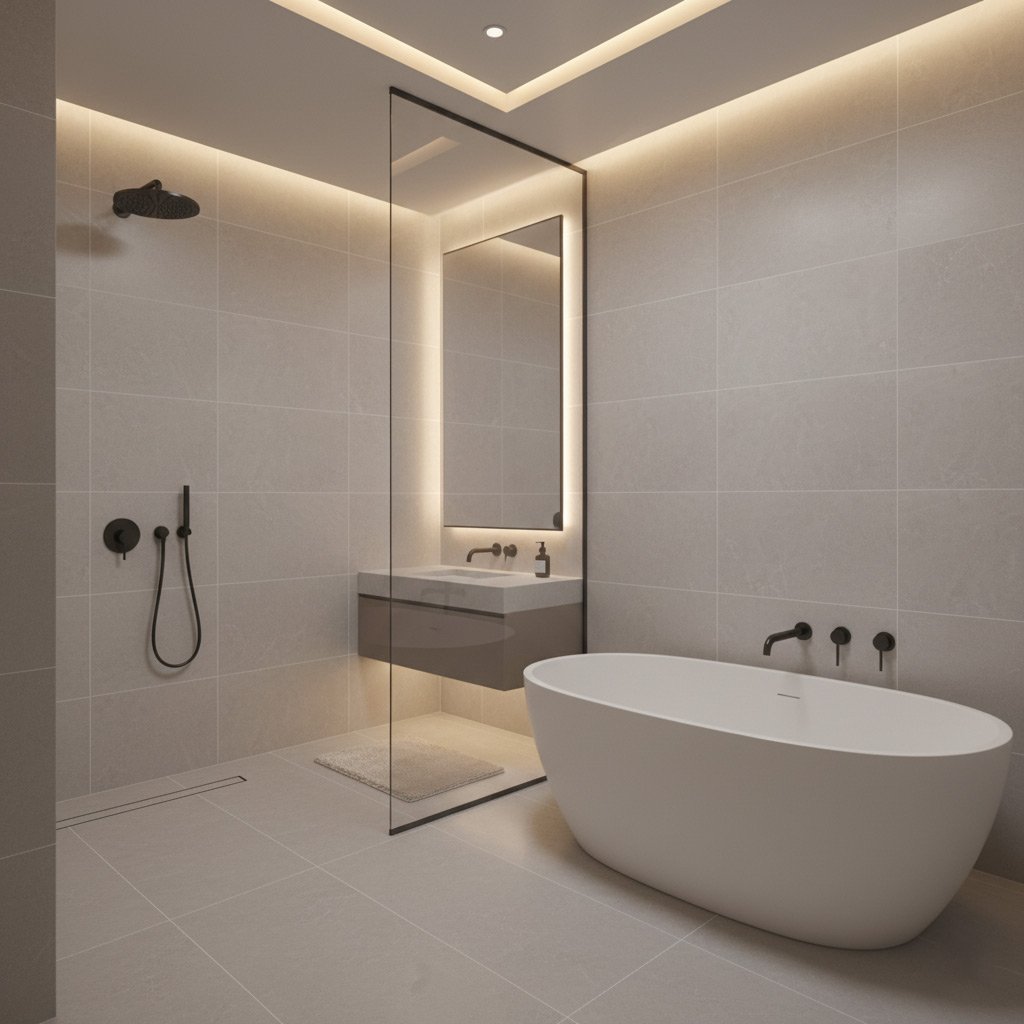
Queen Creek’s scorching summers and sudden monsoon bursts turn a sloppy shower floor into a leaky nightmare fast. One missed membrane layer can soak your subfloor, cause mold, and drain your wallet.
Spot the red flags before they become costly repairs:
- Visible gaps at the curb or where the wall meets the floor.
- Water pooling after a short shower.
- Musty smells that linger weeks after use.
Choosing the Right Membrane
Two main players: sheet membranes (like a waterproof blanket) and liquid‑applied membranes (a seamless coating). Sheet is forgiving; you can see seams and tape them. Liquid hides everything, but you need a skilled hand to avoid thin spots.
Key steps to nail the job:
- Prep the substrate—clean, dry, and free of dust.
- Apply a primer if the manufacturer calls for it.
- Overlap seams by at least 6 inches and seal with a high‑quality tape.
Drains and Flashing: The Unsung Heroes
The drain isn’t just a hole; it’s the exit strategy for every drop. Ensure the pre‑slope directs water toward the drain at a 1/4‑inch‑per‑foot gradient. Miss this and you’ll see water linger on the tile.
Flashing must wrap around the curb and any wall penetrations like a tight seal. Use a self‑adhesive flashing tape or a liquid sealant, then test with a bucket of water before the tile goes down.
Choosing Fixtures, Controls, and Luxury Features that Elevate the Experience
Fixtures that Speak
Start with a faucet that feels solid in your hand – brass or stainless steel will outlast cheap chrome in Queen Creek’s heat. Look for a single‑handle cartridge that offers smooth temperature shifts without a wobble.
Don’t forget the showerhead. A rain‑style head spreads water like a gentle downpour, while a handheld sprayer adds flexibility for kids or pets. Pair them with a matching escutcheon to keep the look cohesive.
Smart Controls for Comfort
Thermostatic valves lock in your preferred temperature, so you never get a surprise cold blast mid‑shower. Digital controllers let you set a precise degree and even remember multiple profiles for family members.
When you choose a control system, ask the installer about water‑saving flow rates. You’ll keep the bill low without sacrificing the feeling of a full‑force cascade.
Luxury Add‑Ons Worth the Splurge
These extras turn a functional shower into a personal spa. Pick one or two that match your budget and lifestyle.
- Body jets positioned along the wall for a soothing massage.
- Steam generator – perfect for those chilly desert evenings.
- LED mood lighting that changes color with the temperature.
- Built‑in Bluetooth speaker for music or podcasts.
- Heated glass panels to banish fog and keep the view crystal clear.
Coordinating with Contractors: Permits, Timeline, and Quality Checks
Permits: The First Gate
Before the first tile is laid, the city of Queen Creek wants to see paperwork, not just a pretty picture. Get the building permit and, if you’re moving plumbing, the plumbing permit – they’re non‑negotiable.
- Building Permit: Covers structural changes, wall openings, and any new shower enclosure.
- Plumbing Permit: Required for new drain lines, valve upgrades, or relocating fixtures.
- Electrical Permit: Needed if you’re adding heated floors, LED lighting, or a digital control panel.
Ask your contractor to present the permits at the kickoff meeting. A signed copy on your wall means the city can’t pull the rug out from under you later.
Timeline: Keep the Clock on Your Side
Every remodel has a hidden “buffer” – the days when a shipment is late or a crew calls in sick. Build a realistic schedule and lock it down in writing.
- Kickoff: 1‑2 weeks for design approvals and permit filing.
- Demo & Rough‑in: 3‑5 days, but add a 48‑hour cushion for unexpected demolition debris.
- Waterproofing & Tile Set: 7‑10 days; remember the cure time for the membrane.
- Finishing Touches: 2‑3 days for fixtures, trim, and final inspection.
Ask for a milestone‑based payment plan. When a phase is signed off, you release the next chunk of cash – simple, fair, and keeps everyone honest.
Quality Checks: No Surprises
Even the best crew can miss a tiny gap that later becomes a leak. Walk the site with a checklist, not just a vague “looks good.”
- Inspect the waterproofing membrane for full coverage and proper seams.
- Verify the slope toward the drain is at least 1/4 inch per foot.
- Check that all fixtures are securely mounted and that the water pressure is within spec.
- Confirm the final tile grout is fully cured before using the shower.
Document every inspection with photos and a short note. If something’s off, you have proof to demand a fix before the contractor moves on.
Case Study: A Queen Creek Home’s Turn‑Key Shower Transformation
When the Martinez family called us, their bathroom looked like a relic from the ’80s—cracked tile, a rusted tub, and a leaky shower pan that dripped on the floor. We promised a finish that felt like a boutique spa, without the surprise bills.
What We Did
First, we mapped out a clean, walk‑in shower that fit the existing footprint but added a bench and a recessed niche for toiletries. The plan hinged on three non‑negotiables:
- High‑performance waterproofing membrane that can handle Queen Creek’s monsoon bursts.
- Custom‑cut quartz slab that resists heat and stains.
- Digital thermostatic valve for precise temperature control.
Each item was vetted with the contractor before the first nail hit the drywall.
Result
Three weeks later, the Martinez shower was live. The new quartz surface gleamed under LED lighting, the bench invited a moment of pause, and the water stayed exactly where it belonged—inside the pan. They saved 12% on the original estimate because we locked in materials early and avoided change orders. The family now tells every neighbor that their bathroom feels like a five‑star retreat, and they’re already planning a matching vanity.
Final Words
When you walk out of the showroom and into your own bathroom, the difference should be crystal clear. A well‑planned shower isn’t just a splash of water; it’s a daily boost that adds real value to your home.
What to Keep in Mind
- Stick to the checklist, not the hype.
- Ask for a written warranty on waterproofing and fixtures.
- Schedule a final walk‑through before the crew packs up.
Remember, the New Showers page is your go‑to resource for trends, product reviews, and contractor recommendations. Keep it bookmarked and refer back whenever you’re ready to upgrade again.
Take the checklist, run it past your contractor, and watch the transformation happen without surprise costs or leaks. Your new shower will stand up to Queen Creek’s heat, look great for years, and make every morning feel like a mini‑vacation.
People Also Ask
What are the essential steps to waterproof a new shower in Queen Creek?
Proper waterproofing starts with a high‑quality membrane applied to the floor and walls, followed by a correctly sloped shower pan and a reliable drain assembly. Finish with sealed flashing around the curb and any penetrations to prevent moisture intrusion.How does Queen Creek’s climate affect shower material choices?
The hot, dry summers and occasional monsoon rains demand materials that resist heat expansion and water damage, such as porcelain tile, quartz, or solid surface panels. Selecting UV‑stable grout and sealants also helps maintain appearance and durability.Do I need a building permit for a new shower remodel in Queen Creek?
Yes, most structural changes, plumbing re‑routing, or alterations to the shower pan require a permit from the Maricopa County Planning & Development Department. Your contractor should handle the paperwork to ensure compliance and avoid future inspections issues.What luxury features add the most value to a Queen Creek bathroom?
Features like a thermostatic valve, multiple body jets, a built‑in bench, and LED mood lighting provide a spa‑like experience and appeal to homebuyers. Pair these with high‑end fixtures and a seamless glass enclosure for maximum impact.How long does a typical turn‑key shower renovation take?
A well‑planned project usually spans 2 to 4 weeks, depending on demolition, tile work, and custom features. Clear communication with your contractor and timely material deliveries keep the timeline on track.
Queen Creek Bathroom Remodel specializes in custom bathroom renovations, bringing over a decade of craftsmanship to homes throughout Queen Creek, Arizona. Their team combines local knowledge with meticulous attention to detail to deliver functional and stylish spaces that reflect each homeowner’s vision.
Need Bathroom Remodel?
Fast, high‑quality bathroom remodels in Queen Creek and surrounding ZIPs (85140, 85141, 85233, 85234, 85295) that transform your space and boost home value. We deliver completed projects on schedule so you can enjoy your new bathroom sooner.
Get Bathroom Quote