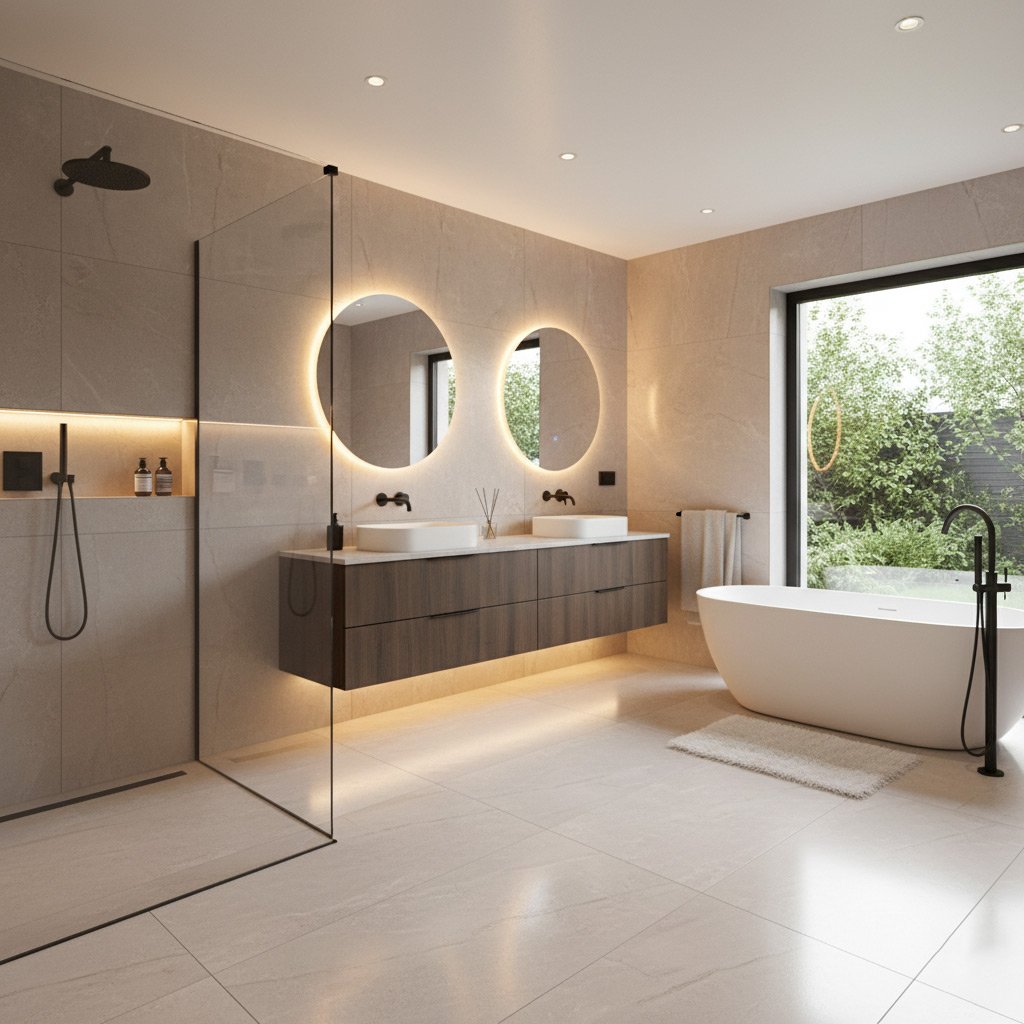
Imagine stepping into a bathroom that feels like a spa, not a relic from the 80s. That’s the reality for dozens of Queen Creek families who swapped their aging tubs for sleek, walk‑in showers.
A tub‑to‑shower conversion slashes water bills, frees up floor space, and eliminates the dreaded climb back onto a slippery rim. Plus, the modern glass doors and tile work add instant curb‑appeal that can boost resale value.
Here in Queen Creek, the desert heat makes a quick, refreshing shower a daily necessity, and homeowners love the low‑maintenance vibe. Our crew knows the local building codes, so the job is done right the first time, no headaches.
Ready to see why the conversion craze is turning heads across town? Keep reading and discover the three game‑changing reasons that have neighbors calling their contractors back for more.
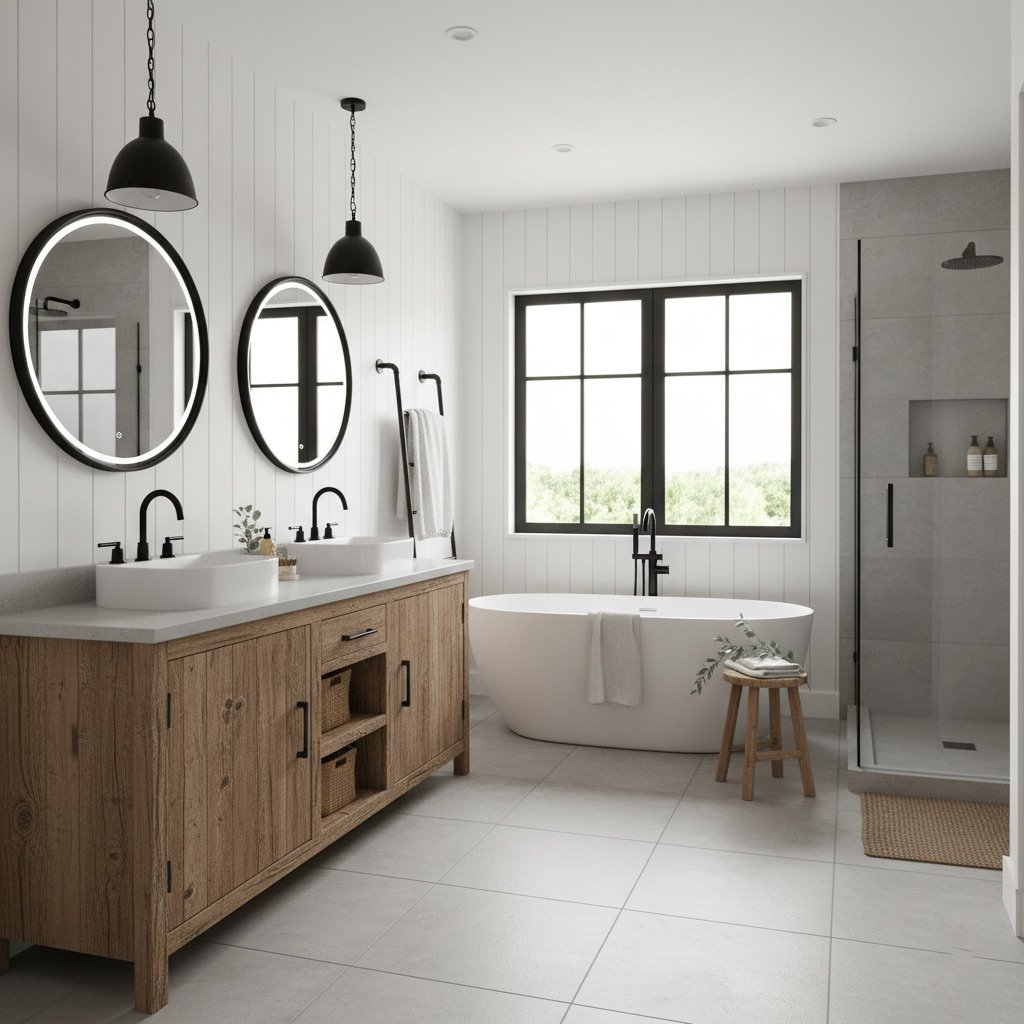
The Financial Benefits: Water Savings and Increased Home Value
Water Savings
Swapping a tub for a walk‑in shower can shave 30‑40 % off your monthly water bill. In Queen Creek’s dry climate, that translates to hundreds of dollars saved each year.
Modern showerheads use as little as 2 gallons per minute, while a standard tub soak can waste 20‑30 gallons in a single session. Less water, lower cost.
- Average annual savings: $150‑$250
- Reduced utility spikes during summer months
- Lower strain on your home’s plumbing system
Boosting Resale Value
Buyers in the desert love a sleek, low‑maintenance bathroom. A well‑executed tub‑to‑shower conversion can add 3‑5 % to your home’s market price.
Real estate agents report that homes with contemporary showers sell faster and often above asking price. It’s a win‑win – you enjoy the upgrade now, and it pays off later.
- Increased curb appeal with glass doors and tile accents
- Modern look that matches current buyer expectations
- Potential for higher appraisal values in competitive neighborhoods
Space Optimization: How Walk‑In Showers Transform Bathroom Layouts
Old tubs act like a wall that eats up precious square footage. Swap it for a walk‑in shower, and you instantly free up floor space for a cleaner, more open feel. That extra room isn’t just eye candy—it’s functional real estate you can actually use.
Re‑imagining the Floor Plan
When the tub disappears, you can play with the layout like a puzzle piece.
- Corner shower: Tucks into an unused nook, turning dead space into a sleek focal point.
- Linear, wall‑mounted shower: Keeps the flow linear, perfect for narrow bathrooms.
- Open‑concept wet room: Removes the barrier entirely, creating a spa‑like zone.
Smart Storage Solutions
Walk‑in showers give you room to add built‑in niches, benches, or even a small shelf for shampoo.
- Tile‑inset niches keep toiletries out of sight but within arm’s reach.
- Low‑profile bench: A place to sit, store towels, or just kick back.
- Floating vanity: Frees up floor space while adding a modern touch.
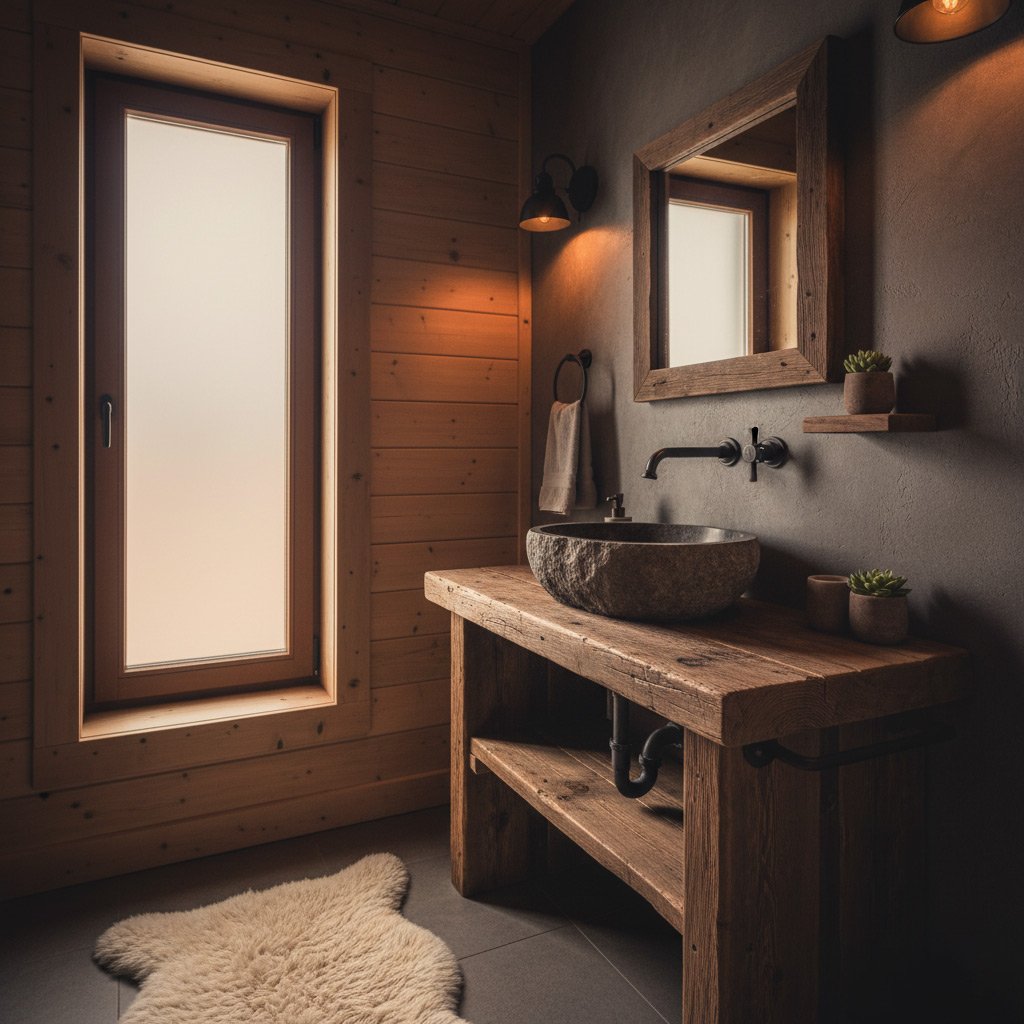
Design Choices That Complement the Desert Climate
Cool‑Tone Tiles and Natural Stone
In a place where the sun blazes 100 °F+ most days, you want surfaces that *stay* cool. Light‑colored ceramic or porcelain tiles reflect heat, while natural stone like travertine absorbs it and releases a gentle chill underfoot. Choosing a matte finish prevents glare and keeps the shower feeling like a retreat, not a sauna.
Water‑Saving Fixtures with a Touch of Luxury
Modern low‑flow showerheads deliver a powerful spray without wasting gallons. Pair them with thermostatic valves so you lock in the perfect temperature—no more shivering in the morning desert chill. Rain‑style heads add a spa vibe while still meeting Arizona’s water‑conservation goals.
Lighting, Ventilation, and Finishing Touches
Bright, LED recessed lights mimic daylight and make the space feel larger. A well‑placed exhaust fan fights humidity, protecting your walls from mold. Finish with desert‑inspired accents—cactus‑green glass mosaics or copper hardware—to tie the whole look to Queen Creek’s rugged beauty.
- Light‑reflective tile colors (soft whites, sand tones)
- Low‑flow, high‑pressure showerheads
- Thermostatic controls for consistent warmth
- LED lighting for energy efficiency
- Vent fans sized for the new shower footprint
- Accent materials: copper, brushed nickel, natural stone
Navigating Queen Creek Building Codes and Permits
Before the first tile is laid, you’ll need the right paperwork. Queen Creek requires a plumbing permit for any shower conversion, and a mechanical permit if you’re adding a new vent or fan. Skipping this step can lead to costly re‑work or fines.
What You Need to Apply For
- Plumbing Permit – covers new drain lines, water supply changes, and waterproofing membranes.
- Mechanical Permit – needed when you upgrade exhaust fans or install heated flooring.
- Electrical Permit – only if you’re adding new lighting, outlets, or a digital control panel.
Once the permits are filed, the town will schedule an inspection. The inspector checks that the shower pan slopes at least 1/4 inch per foot, that the waterproofing meets Arizona Uniform Construction Code standards, and that the drain is properly vented.
Key Inspection Points
- Shower pan slope and drainage.
- Water‑tight membrane continuity behind tile.
- Properly sealed glass door framing.
- Clear access for future maintenance.
Working with a licensed contractor who knows the local codebook saves you time. They’ll handle the paperwork, schedule inspections, and make sure every screw is tightened to code, so you can enjoy your new walk‑in shower without a single surprise.
Tips to Keep the Process Smooth
- Ask for a copy of the approved plan set before work starts.
- Keep a folder of all receipts, permits, and inspection reports.
- Confirm the final inspection date before the crew finishes the tile work.
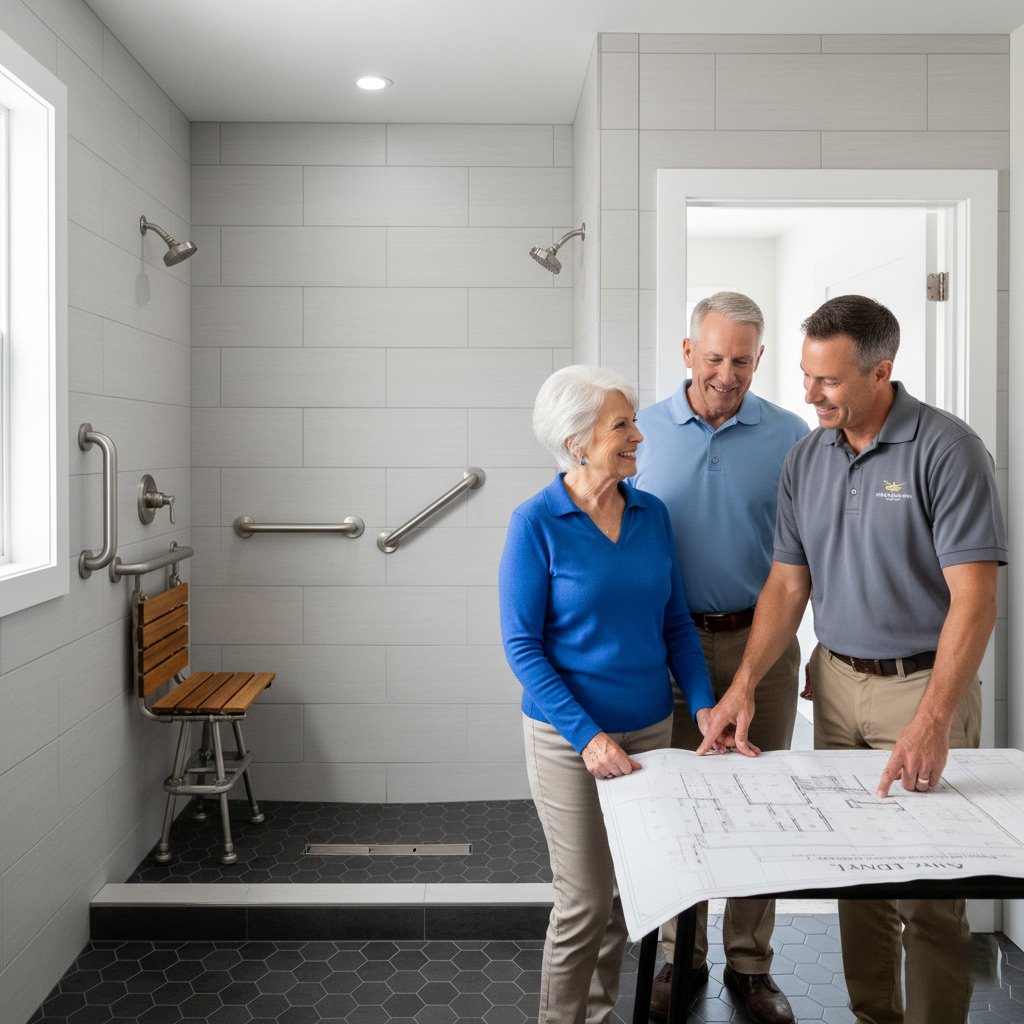
The Installation Process: Timeline, Materials, and What to Expect
Typical Timeline
From demo to the final polish, most conversions wrap up in 7‑10 business days. We break it down so you know exactly when the mess starts and when the sparkle appears.
- Day 1‑2: Remove the old tub, patch the floor, and prep the plumbing.
- Day 3‑5: Install the shower base, walls, and waterproof membrane.
- Day 6‑8: Fit glass doors, fixtures, and grout the tile.
- Day 9‑10: Final inspection, clean‑up, and a quick walk‑through with you.
Materials That Hold Up in the Desert
Heat‑resistant tile and low‑porous stone keep the shower cool and easy to clean. We pick products that won’t crack under the sun’s glare.
- Porcelain or ceramic tile with a matte finish – less glare, more grip.
- Quarry‑cut stone for a natural look that tolerates temperature swings.
- Tempered glass doors – sturdy, safe, and they stay clear longer.
- Stainless‑steel or brushed‑nickel fixtures – resist rust in the dry air.
What Homeowners See Day‑to‑Day
Our crew treats your home like a showroom. You’ll hear a steady rhythm of work, not a chaotic mess.
- Daily briefings: we tell you what’s happening and what’s next.
- Protective coverings on floors and furniture – no surprise scratches.
- Clean‑up crew on the same day: no lingering debris, just a fresh shower ready for you.
Case Study: A Modern Tub‑to‑Shower Conversion in a Queen Creek Family Home
Project Overview
When the Martinez family moved into their 1998 ranch, the bathroom still featured a deep‑soak tub that collected dust and water bills. They wanted a space that felt like a resort, not a relic.
Our crew met the family on a scorching July morning, measured the 5‑ft × 7‑ft footprint, and sketched a walk‑in shower that would fit the existing plumbing without tearing down walls.
Design & Materials
We chose a slip‑resistant porcelain tile in a warm sand tone to echo the desert outside, paired with a frameless glass door that lets natural light flood the room.
Key specs:
- Linear drain for rapid water evacuation
- Low‑flow showerhead (2.0 gpm) – cuts water use by up to 30%
- Custom niche for shampoo and soap, finished in brushed nickel
The entire installation wrapped up in nine days, from demolition to final caulk.
Outcome & Impact
Within the first month, the Martinez household reported a 15% drop in their water bill—proof that a sleek shower can be kind to the wallet.
When the home hit the market six months later, the upgraded bathroom added an estimated $12,000 to the resale value, and the family still raves about the “spa‑like” feel every morning.
Final Words: Why a Tub‑to‑Shower Conversion Is the Smart Choice for Queen Creek Homeowners
When you weigh the cost of a remodel against the daily grind of a clunky tub, the math is crystal clear. Less water, less hassle, more resale power—that’s the bottom line every neighbor in Queen Creek is shouting about.
Three reasons the conversion wins every time
- Instant curb‑appeal: Modern glass doors and sleek tile turn a dated bathroom into a showcase.
- Utility savings: A 40‑50% drop in water usage translates to lower bills year after year.
- Future‑proofing: Walk‑in showers are a must‑have for aging‑in‑place and resale markets alike.
Our crew knows the local code inside out, so you avoid surprise permits and hidden fees. The result? A smooth, on‑time project that adds value without the usual headaches.
Ready to see the difference for yourself? Check out our full Tub to Shower Conversion service page and discover how a simple swap can upgrade your home’s comfort and marketability.
People Also Ask
How much water can I save by converting a tub to a shower in Queen Creek?
A standard bathtub uses about 70 gallons per fill, while a low‑flow showerhead uses roughly 2.5 gallons per minute. By taking a 10‑minute shower, you can save up to 45 gallons per use, translating to significant annual water savings.Will a tub‑to‑shower conversion increase my home’s resale value?
Yes, modern walk‑in showers are highly sought after by buyers in the Phoenix metro area. A well‑executed conversion can add 3‑5% to your home’s market value, especially in competitive Queen Creek neighborhoods.Do I need a permit for a tub‑to‑shower remodel in Queen Creek?
Most tub‑to‑shower projects require a building permit to ensure compliance with local plumbing and electrical codes. Your contractor should handle the paperwork, but it’s essential to verify with the Queen Creek Planning & Development Department.How long does a typical tub‑to‑shower conversion take?
The average timeline is 1‑2 weeks, including demolition, plumbing adjustments, waterproofing, and tile installation. Delays are rare if the project is scheduled during the cooler months, avoiding monsoon‑season rain.What design options work best for the desert climate of Queen Creek?
Consider slip‑resistant, light‑colored tiles that stay cool underfoot and large glass enclosures that let natural light flood the space. Adding a low‑flow, thermostatic shower valve helps maintain comfortable water temperatures while conserving water.
Queen Creek Bathroom Remodel specializes in comprehensive bathroom renovations, bringing over a decade of craftsmanship to homes throughout Queen Creek, Arizona. Their team combines local knowledge with meticulous attention to detail to deliver functional and stylish spaces that reflect each homeowner’s vision.
Need Bathroom Remodel?
Fast, high‑quality bathroom remodels in Queen Creek and surrounding ZIPs (85140, 85141, 85233, 85234, 85295) that transform your space and boost home value. We deliver completed projects on schedule so you can enjoy your new bathroom sooner.
Get Bathroom Quote