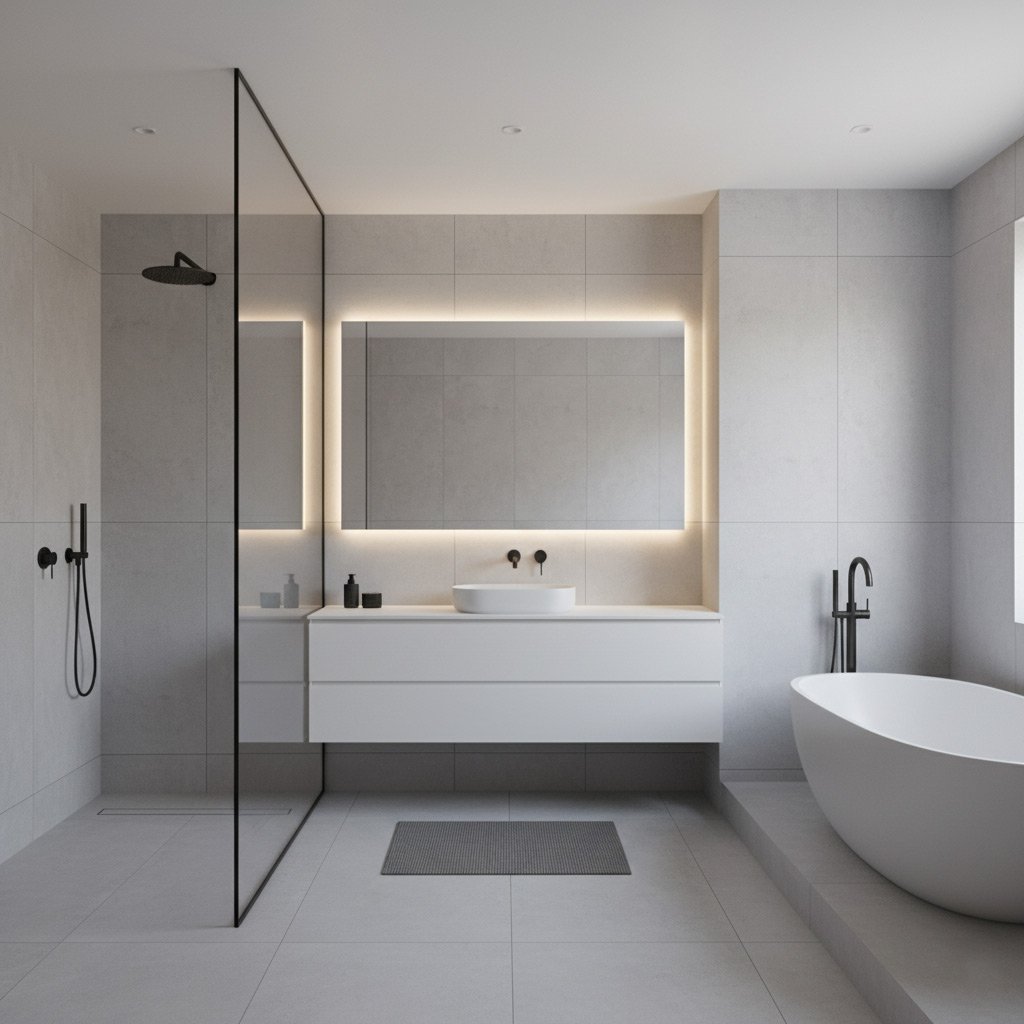
Picture this: you step into your Queen Creek bathroom, pull the knob, and the water rolls over a liner that still looks as crisp as the day it was installed, even after years of steam and soap scum.
Most homeowners think a cheap liner will do the job, only to discover cracks, mold, and a soggy mess that drags down the whole remodel. The truth is, the right liner can be the silent hero that protects your tile, saves you cash, and keeps the space feeling fresh.
In this guide we’ll spill the beans on the toughest materials, the installation tricks pros swear by, and the low‑maintenance habits that keep a liner looking new for the long haul.
Ready to stop guessing and start choosing the liner that will stand up to Queen Creek’s desert climate? Keep reading and you’ll walk away with a game plan you can actually use.
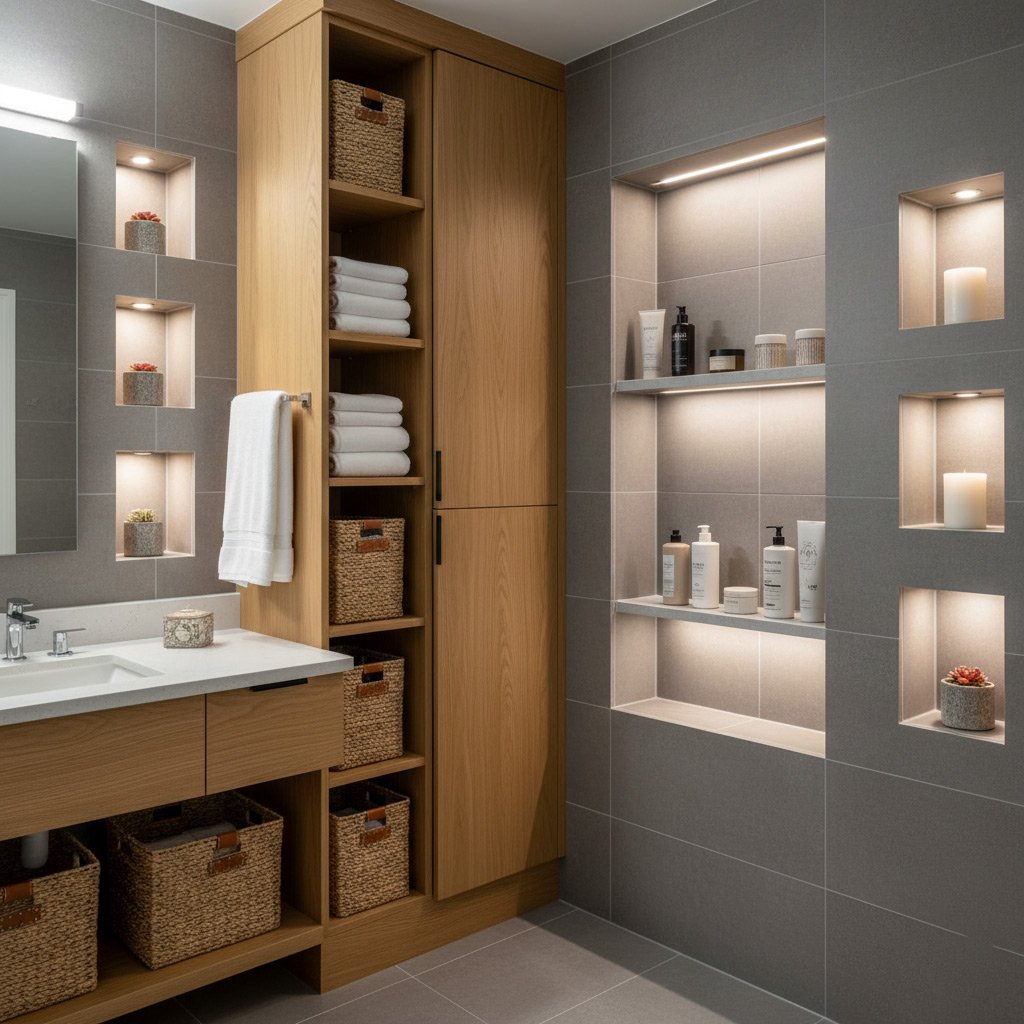
Understanding Shower Liner Materials: PVC, CPE, and Fiberglass Options
When you’re picking a liner, think of it like choosing a suit for a desert marathon – you need something that won’t crack under the heat and won’t sag when the humidity spikes. The three big players in Queen Creek are PVC, CPE, and fiberglass, each with its own set of strengths and quirks.
PVC (Polyvinyl Chloride)
PVC is the workhorse you see in most budget‑friendly remodels. It’s cheap, lightweight, and easy to cut, but it can become brittle when exposed to the intense sun‑baked air that drifts into your bathroom.
- Pros: Affordable, simple to install, resistant to most chemicals.
- Cons: Prone to warping in high heat, can yellow over time.
- Tip: Pair PVC with a high‑quality sealant to lock out moisture.
CPE (Chlorinated Polyethylene)
CPE steps up the game with extra flexibility and a tougher skin that laughs at temperature swings. It’s a favorite for homeowners who want durability without breaking the bank.
- Pros: Excellent impact resistance, stays flexible in cold and hot conditions.
- Cons: Slightly heavier than PVC, installation requires a bit more skill.
- Tip: Use a professional installer who knows how to properly seam CPE panels.
Fiberglass
If you’re after the premium feel, fiberglass is the king of longevity. It’s virtually immune to cracking, and its smooth surface makes cleaning a breeze – perfect for the desert dust that loves to settle.
- Pros: Superior strength, resistant to mold and mildew, looks sleek.
- Cons: Higher upfront cost, heavier, needs a skilled hand for a flawless fit.
- Tip: Invest in a reputable fabricator; a poorly fitted fiberglass liner can defeat its own advantages.
How Queen Creek’s Desert Climate Impacts Liner Longevity
Queen Creek’s heat swings are no joke. Summer temps can hit the high‑90s, while winter nights dip below 40°F. Those extremes make a liner expand, contract, and stress the seams faster than a coastal bathroom.
Heat‑Induced Expansion
When the sun beats down on your bathroom tiles, the liner absorbs heat too. PVC and CPE will soften slightly, causing a subtle bulge that can push the grout apart. Over time, that pressure creates hairline cracks that let water sneak behind the wall.
- Look for liners with a high‑temperature rating (above 140°F).
- Choose a thickness of at least 6 mil for added rigidity.
- Prefer manufacturers that add UV‑stabilizers to the mix.
Dry‑Air Shrinkage
Desert air is bone‑dry, especially in the winter. Low humidity pulls moisture out of the liner material, making it brittle. A brittle liner is a cracked liner, and a cracked liner means mold loves to set up shop.
To combat this, keep the bathroom’s relative humidity between 30% and 50% with a small vent fan or a portable humidifier. A little moisture balance goes a long way toward preserving the liner’s flexibility.
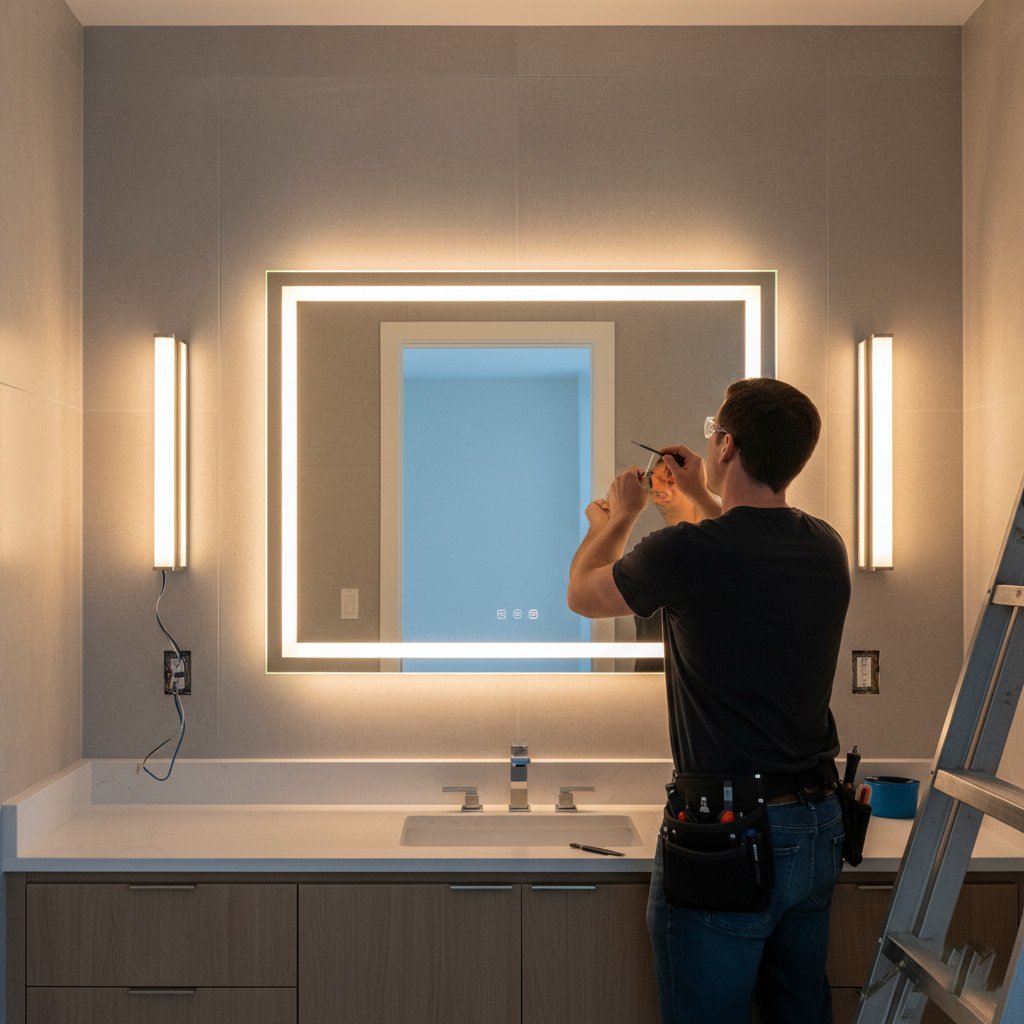
Professional Installation Techniques That Prevent Cracks and Mold
First thing’s first: the wall behind the liner must be rock‑solid. Any wobble in the backer board or leftover dust will transfer stress to the liner, and you’ll see hairline cracks before the warranty expires. Level the surface, seal every joint, and let the mortar cure fully—that’s the foundation of a leak‑free shower.
Seam Mastery
When two liner sheets meet, the seam is the weak spot. Use a butt‑joint method with a high‑quality, mold‑resistant tape, then apply a thin, even coat of waterproof sealant. The trick pros swear by is to roll a plastic roller over the tape while the sealant is still wet; it forces the adhesive into every crevice and eliminates air pockets.
- Choose a tape rated for at least 10 years of exposure.
- Apply sealant in a continuous bead—no gaps.
- Press with a roller for 30 seconds per inch.
Fastening & Drainage
Every screw or nail must sit flush with the liner; a protruding head will puncture the material when the shower gets hot. Space fasteners no more than 12 inches apart, and stagger them to distribute load evenly. Finally, slope the floor at a minimum of 1/4 in per foot toward the drain; proper pitch keeps water from pooling, which is the number‑one cause of mold growth.
Maintenance Best Practices: Cleaning, Sealing, and Spot‑Checking
Cleaning the liner
Keep the surface free of soap scum and mineral deposits, and you’ll avoid the gritty buildup that eats at the material. A mild, non‑abrasive cleaner does the trick—no bleach, no harsh acids.
- Mix one part white vinegar with three parts water.
- Apply with a soft sponge, let sit 5 minutes, then rinse.
- Dry with a microfiber cloth to prevent water spots.
Sealing for extra protection
Even the toughest liners benefit from a fresh seal every few years. The sealant creates a barrier that repels moisture and blocks mold spores.
- Choose a 100 % silicone sealant rated for high‑temperature showers.
- Apply a thin bead along all seams and corners.
- Smooth with a wet finger, then let cure 24 hours before the next use.
Spot‑checking for early warning signs
Make it a habit to walk the shower once a month and look for the little things that turn into big problems. Early detection saves you time, money, and a lot of hassle.
- Run a fingertip along the liner; any roughness or soft spots? Note it.
- Inspect grout lines for cracks that let water seep behind the liner.
- Check corners for mold growth—if you see it, scrub immediately with a 1 % hydrogen peroxide solution.
Upgrading Your Liner: When to Replace vs. Repair
Spot the tell‑tale signs
Cracks that run deeper than a fingernail, persistent mold patches, or a liner that constantly leaks under the tile are red flags. If you notice water pooling after a short shower, it’s time to call it quits on patch‑work.
Minor scratches or a few hairline fissures? Those can often be sealed with a high‑grade epoxy. Anything that compromises the waterproof barrier should be treated as a replacement candidate.
Cost‑vs‑benefit quick check
- Repair: $150‑$300 for a small crack, plus labor.
- Replace: $800‑$1,500 for a full liner, but you gain a decade of peace of mind.
When the repair cost climbs past 30% of a new liner, the math says “replace.” You’ll avoid future headaches and protect your tile investment.
Future‑proofing your upgrade
Choosing a premium CPE or reinforced PVC liner now can save you a second remodel down the road. Look for liners with a UV‑resistant coating—even indoor showers get sun through windows in Queen Creek.
Pair the new liner with a proper slope and a quality silicone sealant. That combo is the secret sauce pros use to keep showers dry for years.
Case Study: A Queen Creek Bathroom Remodel with a 10‑Year‑Lasting Liner
The Project Snapshot
When the Martinez family decided to upgrade their master bath, they wanted a look that would survive the desert heat and their busy mornings. We installed a 1/4‑inch CPE liner paired with a custom tile surround, and set a clear timeline: finish in three weeks, no surprises.
Our crew arrived early, measured twice, and pre‑cut the liner to fit the exact shower pan dimensions. Precision mattered because any gap would invite water behind the wall.
Material Choice & Installation Secrets
The CPE liner was chosen for its resistance to cracking under temperature swings—something Queen Creek’s sun loves to test. We reinforced the seams with a waterproof tape and sealed every corner with a polymer‑based caulk that stays flexible.
Key steps that made the difference:
- Apply a primer coat to the shower base before laying the liner.
- Use a rubber roller to press out air bubbles.
- Install a drip edge at the threshold to direct water away.
Results & Long‑Term Payoff
Six months after the remodel, the Martinez’s bathroom still looks showroom‑ready. No mold, no cracks, and the liner passed a water‑tightness test with a 0% leak rate.
Because the liner held up, the family avoided a costly tile replacement that would have run into the thousands. In plain terms, they saved roughly $4,200 in potential repairs and enjoy a worry‑free shower for the next decade.
Final Words
When you’re ready to lock in a liner that won’t quit on you, the smartest move is to partner with a crew that knows Queen Creek’s heat like the back of their hand. A solid liner + proper install = years of hassle‑free showers.
Take the Next Step
Don’t wait for a crack to show up. Grab the phone, schedule a free assessment, and let the pros walk you through the options that fit your budget and style.
- Ask for a material comparison sheet – PVC vs. CPE vs. fiberglass.
- Request a warranty rundown before any work begins.
- Get a written timeline so you know when the bathroom will be back in action.
Need more background? Dive into our full Shower Liners guide for specs, FAQs, and real‑world examples. The right liner is out there—just make sure you pick the one that can survive the desert grind.
People Also Ask
What are the main differences between PVC, CPE, and fiberglass shower liners?
PVC liners are lightweight and budget‑friendly but can become brittle in extreme heat. CPE (chlorinated polyethylene) offers superior chemical resistance and flexibility, making it ideal for desert climates. Fiberglass liners are the most durable and resistant to cracking, though they come at a higher cost.How does Queen Creek’s desert climate affect shower liner lifespan?
The hot, dry air and occasional monsoon moisture cause PVC to shrink and crack faster, while CPE and fiberglass better tolerate temperature swings. Proper sealing and ventilation are essential to prevent moisture buildup that accelerates mold growth.What professional installation steps prevent cracks and mold in shower liners?
A certified installer will first ensure a perfectly level substrate, apply a high‑quality waterproof membrane, and use a seamless, factory‑cut liner. They also seal all seams with a mold‑resistant silicone and verify proper drainage to avoid standing water.How often should I clean and reseal my shower liner to keep it lasting?
Clean the liner with a non‑abrasive, pH‑neutral cleaner weekly, and inspect seams monthly for signs of wear. Reseal the liner with a silicone caulk every 2‑3 years, or sooner if you notice water leakage.When is it better to replace a shower liner instead of repairing it?
Replace the liner if you see multiple cracks, persistent mold despite cleaning, or if the liner is older than 8‑10 years. Minor punctures or seam gaps can be repaired with a compatible patch and fresh silicone sealant.
Queen Creek Bathroom Remodel specializes in custom bathroom renovations, bringing over a decade of craftsmanship to homes throughout Queen Creek, Arizona. Their team combines local knowledge with meticulous attention to detail to transform spaces into functional, stylish retreats. Committed to personalized service, they guide each project from design through completion with clear communication and reliable timelines.
Need Bathroom Remodel?
Fast, high‑quality bathroom remodels in Queen Creek and surrounding ZIPs (85140, 85141, 85233, 85234, 85295) that transform your space and boost home value. We deliver completed projects on schedule so you can enjoy your new bathroom sooner.
Get Bathroom Quote