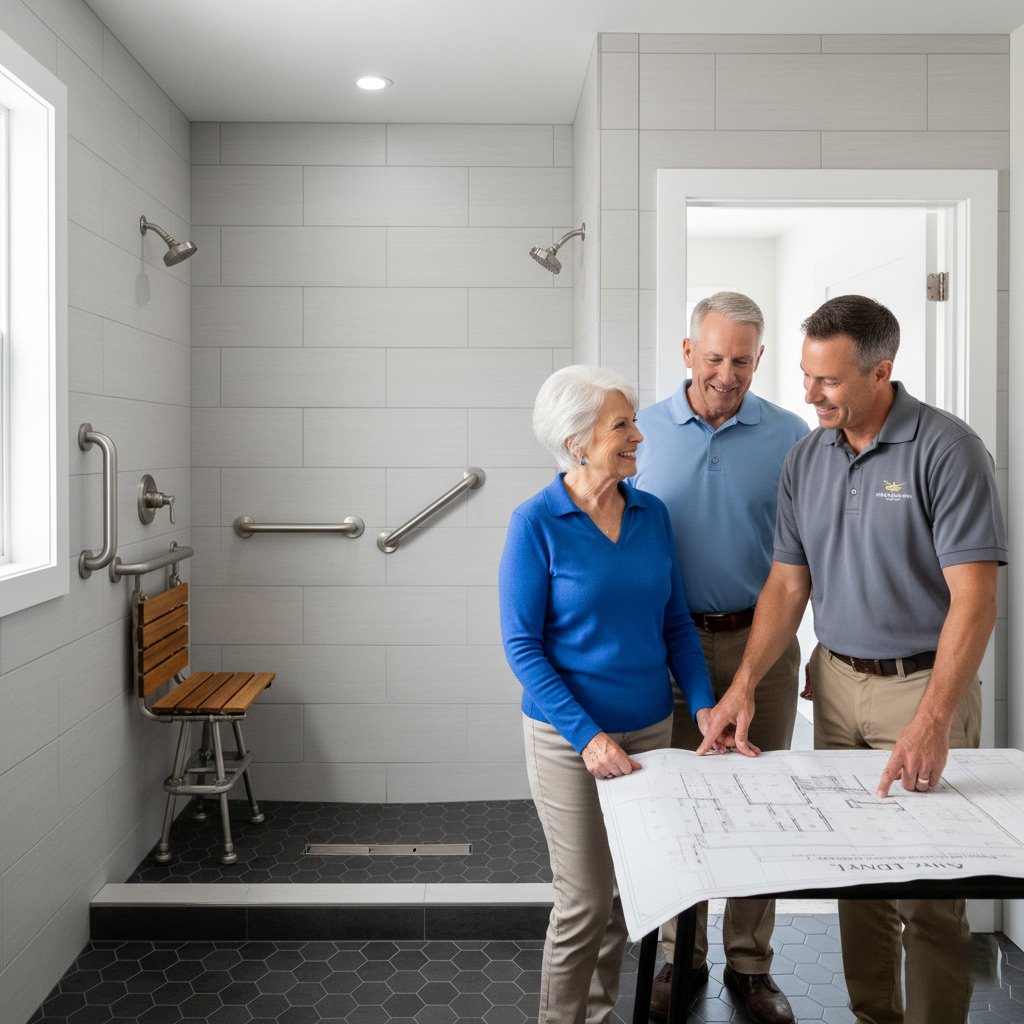
Picture this: you’re standing in a brand‑new bathroom, the water cascading just right, and you realize you didn’t have to sell a kidney to make it happen. That sweet spot between luxury and budget is what every homeowner in Queen Creek is hunting for.
When the debate rolls around—new tub or sleek shower—the numbers start to dance. From the slab of stone you’ll lay down to the hidden plumbing tricks that can add a few hundred bucks, every choice has a hidden price tag that most people overlook.
Ready to see exactly where your dollars go and which option gives you the most bang for your buck? Keep reading and we’ll break it all down, line by line.
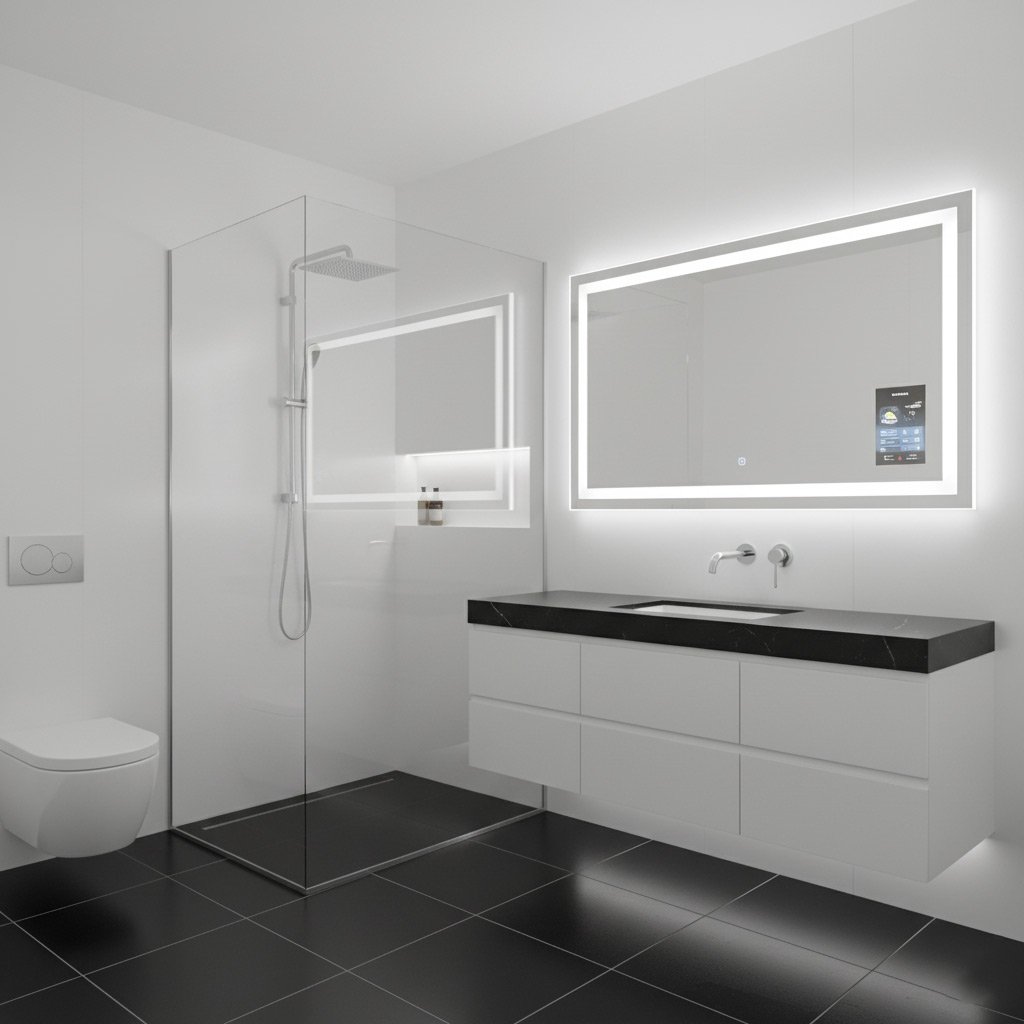
Core Cost Components: Materials, Labor, Permits, and Design Fees
Materials – the foundation of the price tag
Every tub or shower starts with what you actually buy. Acrylic, cast iron, or stone each carry a distinct price range, and the surrounding trim, faucets, and accessories add up fast.
- Acrylic: budget‑friendly, light, easy to handle.
- Cast iron: heavy, durable, higher shipping cost.
- Stone: premium look, requires extra support.
Don’t forget the extra‑wide tub or a rain‑shower head – those upgrades can double the material budget.
Labor – the hands that make it happen
Skilled installers charge by the hour, and the complexity of the job drives the rate. A simple drop‑in tub might be a day’s work; a custom tile shower can stretch into a week.
- Demolition and removal: $300‑$800.
- Installation: $1,200‑$3,500 depending on scope.
- Finishing touches (caulking, trim): $150‑$400.
Local crews in Queen Creek often add a travel fee, so ask for a flat rate to avoid surprises.
Permits and Design Fees – the hidden paperwork
Arizona building codes demand permits for any plumbing or structural change. Skipping this step can cost you a fine or force a redo.
- Permit fees: $100‑$250 per permit.
- Design consultation: $200‑$600 for a layout plan.
- Engineering review (if needed): $150‑$400.
These numbers may look small, but they stack up quickly when you add them to material and labor costs.
New Tub Options: Acrylic, Cast Iron, and Stone – Price, Installation, and Longevity
Choosing a tub isn’t just about looks; it’s a balance of upfront cost, how messy the install gets, and how long the piece will survive daily use. In Queen Creek, the climate and water quality add extra variables, so knowing the trade‑offs helps you avoid surprise bills later.
Acrylic Tubs
Acrylic is the go‑to for budget‑savvy homeowners who still want a sleek finish. Price range typically sits between $800 and $1,500 for a standard 60‑inch model. Installation is quick—usually a single day—because the tub is lightweight and fits into most existing frames. Expect a lifespan of 10‑15 years before fading or cracking becomes a concern.
- Lightweight: easy to handle, reduces labor cost.
- Low maintenance: simple cleaning, no special sealants.
- Heat retention: modest; water cools faster than heavier tubs.
Cast Iron & Stone Tubs
Cast iron and stone are the heavyweight champions of bathroom luxury. Cast iron starts around $2,000 and can climb to $5,000+ with custom finishes; stone (like marble or quartz) often begins at $3,500 and can exceed $8,000 for premium slabs. Installation is a full‑day affair at least—these babies need reinforced flooring and extra crew time. The payoff? 20‑30 years of durability, and they hold heat like a furnace, so showers stay warm longer.
- Durability: virtually indestructible under normal use.
- Heat retention: excellent, reduces reheating cycles.
- Design impact: adds a high‑end visual cue that can boost resale value.
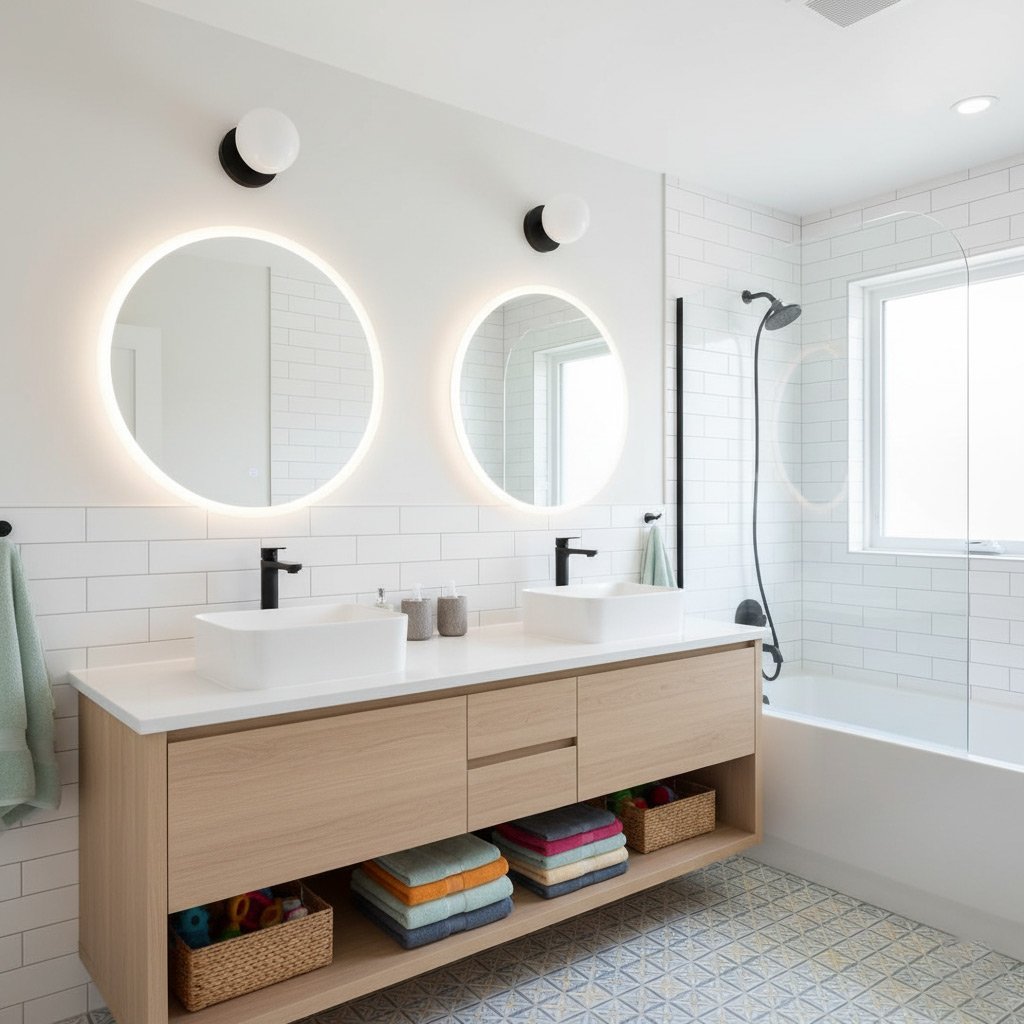
New Shower Options: Prefab Enclosures vs. Custom Tile – Cost Drivers and Aesthetic Impact
Prefab Enclosures
Prefab units are the fast‑track choice for Queen Creek homeowners who want a clean look without the drama of a full remodel. Base price usually covers the glass, frame, and a pre‑molded base, but the real kicker is the hidden labor cost.
Typical cost drivers include:
- Delivery fees – especially if you’re in a cul‑de‑sac.
- Installation time – a crew can finish in a day, but prep work (removing the old tub, leveling the floor) adds $300‑$600.
- Trim and hardware upgrades – brushed nickel vs. chrome can swing $150.
Custom Tile Showers
Going custom is like ordering a steak‑house dinner: you pay for the premium ingredients and the chef’s skill. The price tag starts with the tile itself, then multiplies with layout complexity and the need for a waterproof backer board.
Key expense points are:
- Tile material – ceramic $5‑$12 per sq ft, natural stone $15‑$30.
- Labor – skilled tile setters charge $45‑$70 per hour; intricate patterns add 20‑30%.
- Waterproofing membrane – a must for code compliance, typically $2‑$4 per sq ft.
But the payoff is visual. A custom tile shower can become the centerpiece of your bathroom, reflecting personal style in a way a prefab box never will. The trade‑off? Time, patience, and a higher upfront investment.
Hidden Expenses: Plumbing Re‑routing, Waterproofing, Ventilation, and Code Requirements
Plumbing Re‑routing
Moving a tub or shower often means the water lines have to travel a new path. Each foot of pipe adds $15‑$30, plus labor for cutting, fitting, and testing.
Typical hidden costs include:
- Shut‑off valve upgrades – $120‑$250
- Rerouting drain lines – $300‑$800
- Pressure‑balance valve for safety – $80‑$150
Waterproofing & Ventilation
Even the best tile looks cheap if water seeps behind it. A proper waterproof membrane runs $4‑$7 per square foot, plus a sealant crew that charges $200‑$400.
Good airflow prevents mold. Installing a vent fan or upgrading an existing one can be $150‑$350, and you’ll need a vent duct that meets local code.
Code Requirements
Queen Creek building codes demand specific clearances, grab bars, and slip‑resistant surfaces. Missing a requirement means a re‑inspection fee of $100‑$250.
Don’t forget the permit. A bathroom remodel permit runs $150‑$300, and the inspector’s time adds another $75‑$125.
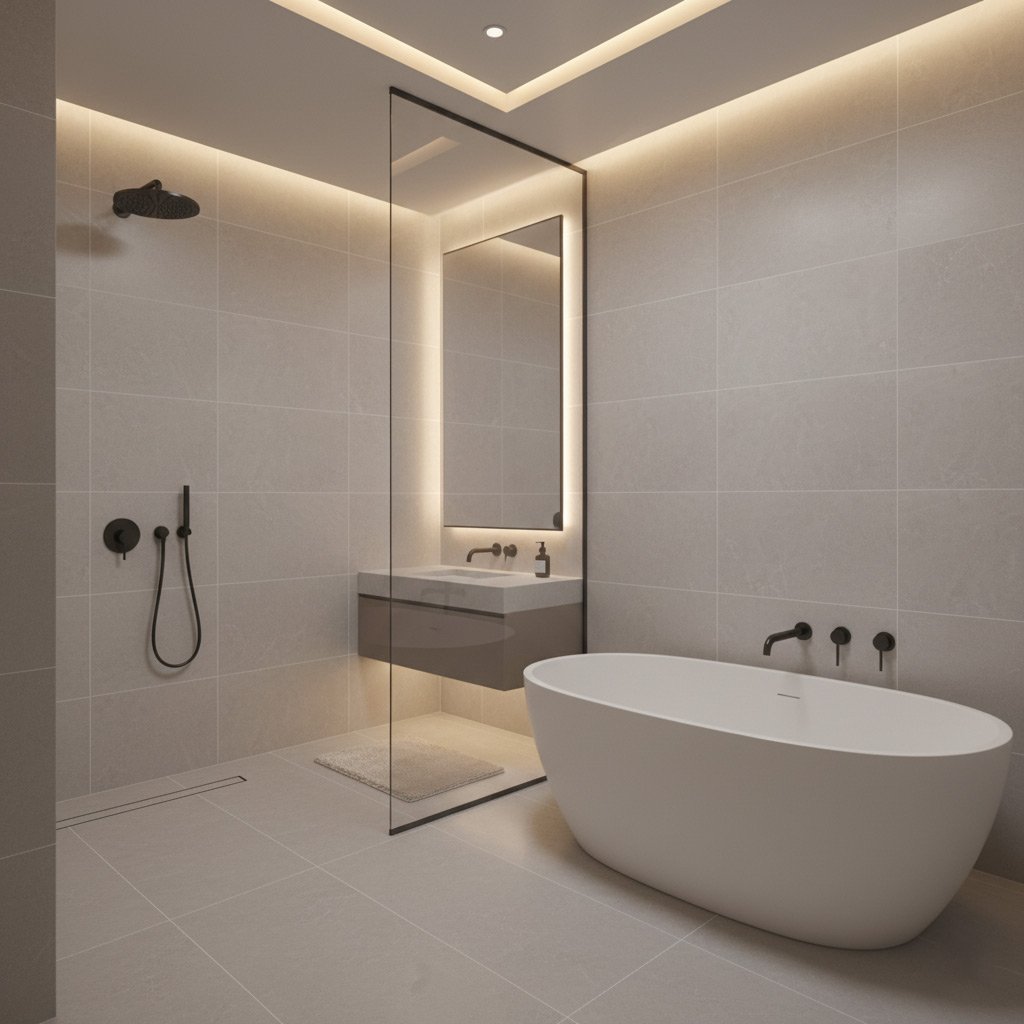
Long‑Term Savings: Water‑Efficiency, Energy Use, and Maintenance Costs
Water‑Efficiency Pays Off
Modern low‑flow tubs and showerheads shave gallons off every minute, which translates to a smaller water bill year after year. Choosing a 1.5‑gallon per minute showerhead can save up to 2,000 gallons annually for a typical Queen Creek family.
Consider these quick wins:
- Install a dual‑flush faucet on the tub – cuts waste by 30%.
- Seal the tub surround properly – prevents leaks that silently drain money.
- Upgrade to a smart valve – auto‑shuts after a set time.
Energy Use: Heat Is Money
Hot water is the second biggest energy hog in a bathroom. A larger stone tub holds more water, meaning you’ll heat more volume each time you fill it. A sleek, glass‑enclosed shower with a low‑temperature mixer uses far less energy.
Key points to watch:
- Insulated tub liners keep heat in, reducing reheating cycles.
- Thermostatic shower controls prevent accidental scalding and waste.
- Solar‑ready water heaters pair nicely with a shower‑first design.
Maintenance Costs: Keep It Simple
Every material has a maintenance price tag. Acrylic tubs are easy to clean and resist stains, while cast‑iron needs periodic resealing. Tile showers look great but grout can crack, demanding regular upkeep.
Save cash by planning ahead:
- Choose a tub with a scratch‑resistant coating – fewer touch‑ups.
- Opt for large‑format tiles in the shower – fewer grout lines, less cleaning.
- Schedule an annual inspection of waterproofing membranes – catch problems early.
Case Study: Queen Creek Home Renovation – Comparing Tub vs. Shower Total Costs
We took a typical 1,600‑sq‑ft ranch in Queen Creek and gave it a bathroom makeover. The homeowner wanted a fresh look but didn’t want to blow the budget. Below is the quick‑hit rundown of what we faced.
The Project Snapshot
- Location: 123 Desert Trail, Queen Creek, AZ
- Existing setup: 5‑year‑old acrylic tub, basic tile surround
- Scope: Replace tub with either a new tub or a full shower, update plumbing, add waterproofing, and finish with tile or prefabricated walls
- Timeline: 2 weeks for tub option, 3 weeks for shower option
First, we crunched the numbers for a brand‑new tub. The homeowner leaned toward a classic cast‑iron model for durability.
Tub Route: Numbers
- Cast‑iron tub (incl. finish): $2,200
- Labor (removal, install, finish work): $1,300
- Permits & design fee: $250
- Hidden costs (plumbing adjustments, waterproofing): $600
- Total: $4,350
Next, we tallied the shower scenario. The homeowner liked the idea of a sleek, tile‑finished walk‑in shower.
Shower Route: Numbers
- Prefab enclosure (mid‑range): $1,500
- Custom tile (full wall, 12×48): $2,800
- Labor (demo, install, grout, seal): $1,600
- Permits, design, extra waterproofing: $400
- Plumbing re‑routing (shower valve, drain): $700
- Total: $7,000
Final Thoughts
When you weigh a new tub against a shower, think of the total ownership cost, not just the sticker price. A stone tub may look like a trophy, but the upkeep and potential repairs can eat into your budget faster than a well‑planned shower.
Quick Decision Checklist
- Budget ceiling: How much are you willing to spend now?
- Long‑term savings: Water‑saving fixtures and lower heating bills favor showers.
- Space constraints: A compact prefabricated shower can free up floor area for storage.
- Future resale: Buyers in Queen Creek often favor a modern shower over a bulky tub.
Don’t forget the hidden costs—plumbing reroute, waterproofing, and code compliance can add a few thousand dollars if you’re not prepared. A solid plan that includes these line items will keep surprises at bay.
Ready to start? Check out our New Tubs page for material options, pricing guides, and design inspiration that fit any budget.
People Also Ask
What are the main cost differences between acrylic tubs and custom tile showers in Queen Creek?
Acrylic tubs typically cost $800‑$2,500 for the unit and $1,200‑$2,800 for installation, while custom tile showers range from $3,000‑$7,000 for materials and $2,500‑$5,000 for labor. The higher price of showers reflects the labor‑intensive tile work and waterproofing requirements.How much does plumbing re‑routing add to a tub‑to‑shower conversion?
Plumbing adjustments can add $500‑$1,500 depending on the distance to existing drain lines and the need for new supply lines. Complex re‑routing, especially in older homes, may push costs toward the upper end of that range.Are there any permit fees for installing a new tub or shower in Queen Creek?
Yes, the Town of Queen Creek typically requires a building permit for bathroom remodels, costing $100‑$300. Additional fees may apply for plumbing or electrical permits if those systems are altered.Which option offers better long‑term water‑efficiency savings?
Modern low‑flow showerheads can reduce water use by 30‑50% compared to standard tub faucets, leading to lower utility bills. Over a decade, a water‑efficient shower can save $200‑$400 in water costs versus a traditional tub.Do design fees differ between a new tub installation and a custom shower remodel?
Design fees for a simple tub replacement are usually $200‑$500, while a custom shower with tile, niche, and glass enclosure can cost $500‑$1,200. The higher fee reflects the need for detailed layout planning and material selection.
Queen Creek Bathroom Remodel specializes in comprehensive bathroom renovations, bringing over a decade of craftsmanship to homes throughout Queen Creek, Arizona. Their team combines local knowledge with meticulous attention to detail to deliver functional and stylish spaces that reflect each homeowner’s vision.
Need Bathroom Remodel?
Fast, high‑quality bathroom remodels in Queen Creek and surrounding ZIPs (85140, 85141, 85233, 85234, 85295) that transform your space and boost home value. We deliver completed projects on schedule so you can enjoy your new bathroom sooner.
Get Bathroom Quote