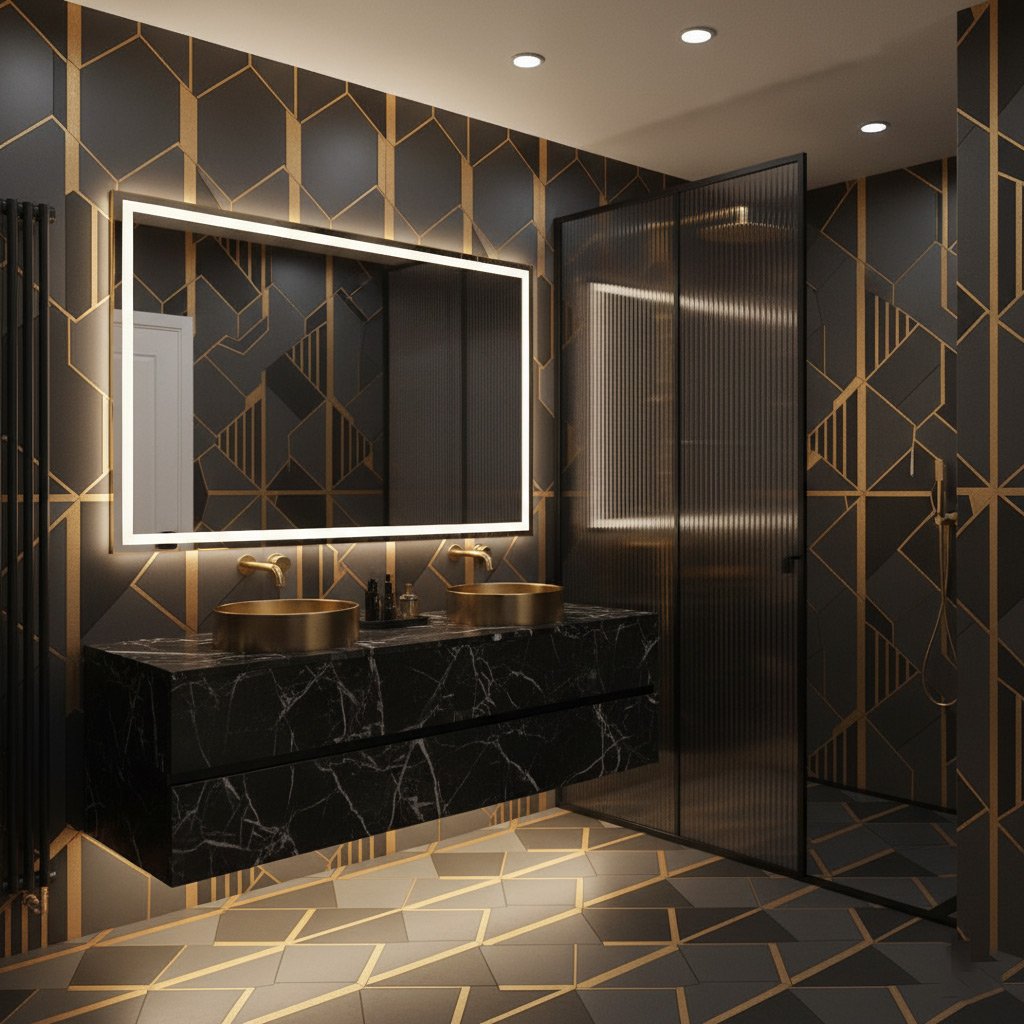
Imagine stepping into a warm soak after a scorching Arizona afternoon, the water hugging your skin while the desert heat fades away. That feeling isn’t a luxury—it’s a practical upgrade that can change how you unwind at home.
In Queen Creek, families often start with a sleek shower because it saves space and looks modern. But as kids grow, grandparents visit, or you simply crave a deeper relaxation ritual, the shower can start to feel like a missed opportunity.
Signs you’re ready for a tub are surprisingly simple: a growing need for a safe bathing spot for seniors, a desire for a spa‑like experience, or even a bathroom layout that suddenly makes a tub feel more natural than a cramped shower stall.
If any of that sounds familiar, stick around and we’ll walk you through the exact moments when swapping that shower for a tub makes perfect sense for your Queen Creek home.
Assessing Your Current Bathroom Layout and Space Constraints
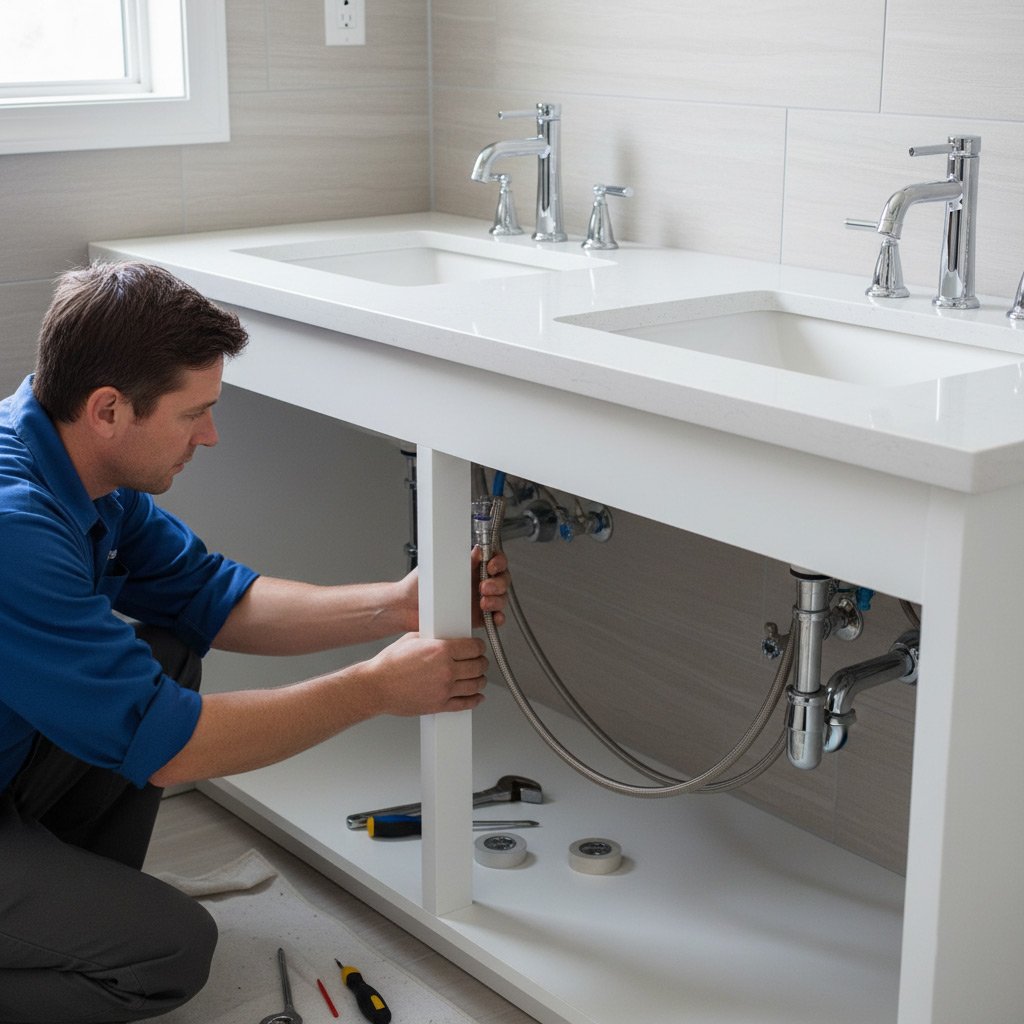
Before you even think about swapping a shower for a tub, grab a tape measure and map out the room. Know the exact square footage you have to work with, and note where doors, windows, and cabinets sit. A quick sketch on graph paper can reveal hidden bottlenecks that you might otherwise miss.
Key Measurements to Take
- Floor clearance: at least 30 inches of open space in front of the tub.
- Door swing: ensure the door can open fully without hitting the new fixture.
- Ceiling height: standard tubs need 80 inches minimum for comfortable headroom.
Next, look at the existing plumbing layout. If the drain and water lines are already centered where a tub would sit, the conversion will be smoother and cheaper. If they’re off‑center, you may need to reroute pipes, which adds time and cost.
Finally, consider traffic flow. A tub can become a new obstacle if the bathroom is already cramped. Walk through the space with a friend; if you have to squeeze past the tub to reach the sink, you might need to rethink the design or choose a smaller, alcove‑style tub.
Recognizing the Signs That a Tub Is the Better Choice
When you find yourself reaching for a foot‑long soak after a long day, that’s a red flag. Comfort cravings aren’t just a luxury—they’re a signal that your shower isn’t meeting your lifestyle.
Family dynamics that demand a tub
Kids love to splash, and toddlers need a safe place to bathe. If you’ve started juggling a kiddie‑pool in the shower, it’s time to rethink. A tub gives you:
- Room for a baby seat or bath toys.
- A low‑step entry that reduces slips.
- Space to wash a pet without turning the whole bathroom into a mess.
Health and accessibility cues
Joint pain, arthritis, or limited mobility turn a quick rinse into a chore. A tub with a built‑in bench or grab bars can turn that chore into a relief. Look for:
- Stiffness when stepping out of the shower.
- Frequent calls for a “seat” while bathing.
- Doctor’s advice to avoid prolonged standing.
When these signs start stacking up, the math is simple: a tub isn’t a nice‑to‑have, it’s a need‑to‑have. It’s the kind of upgrade that pays for itself in comfort, safety, and peace of mind.
Evaluating Plumbing and Structural Considerations for a Conversion
Plumbing Layout
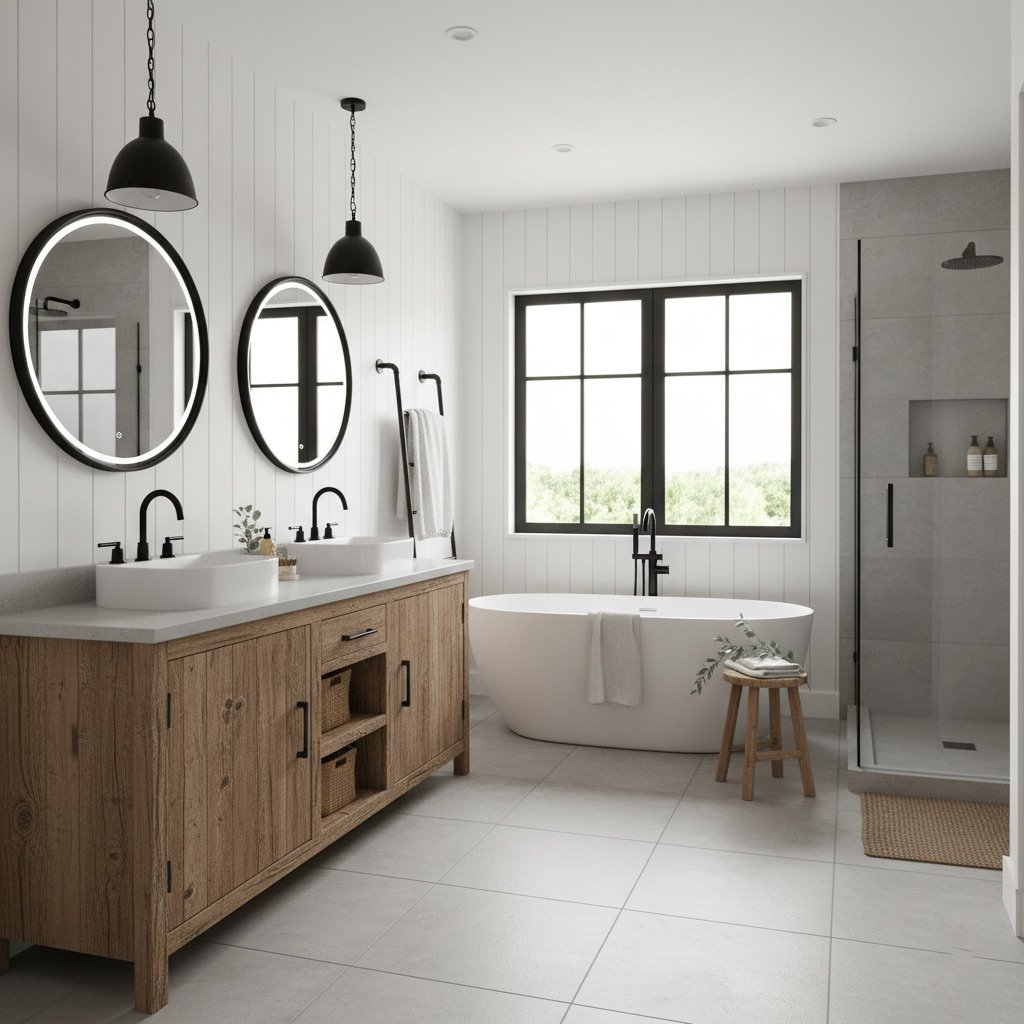
First, locate the existing drain and water lines. If the tub will sit where the shower currently is, you’ll need to reroute the waste pipe to match the new tub’s trap location. Misaligned drains cause leaks that cost time and money.
Check the supply lines too. A tub typically needs a larger volume of water, so the hot‑and‑cold valves may need upsizing. Ask your plumber to verify pipe diameter before you order the tub.
- Measure the distance from the wall to the nearest main stack.
- Confirm the shut‑off valve is accessible.
- Mark any hidden studs or joists that could block pipe runs.
Structural Integrity
The floor must support the added weight of a filled tub—about 300 lb plus occupants. Inspect the joists; older homes in Queen Creek often have 2×6 framing that may need reinforcement.
Local building codes demand a minimum 40 lb/ft² live load for bathroom floors. If your inspection falls short, a sister joist or steel beam will be required.
- Hire a structural engineer for a quick on‑site assessment.
- Secure any necessary permits from the Queen Creek Planning Department.
- Plan for a brief occupancy disruption while the floor is strengthened.
Budgeting and Cost Factors: Materials, Labor, and Permits in Queen Creek
Breaking Down the Numbers
Before you hand over a check, know exactly where every dollar goes. Materials alone can swing from a modest $800 for a basic acrylic tub to $3,500 for a freestanding cast‑iron masterpiece.
Don’t forget the extras that add up fast: tile backer board, waterproofing membrane, and trim work. A quick list of typical material costs in Queen Creek looks like this:
- Standard acrylic tub: $800‑$1,200
- Mid‑range fiberglass: $1,200‑$2,000
- Premium cast‑iron or stone: $2,500‑$4,500
- Tile & grout (per sq. ft.): $5‑$12
- Waterproofing kit: $150‑$300
Labor Rates & Permit Fees
Skilled hands don’t come cheap, but you’ll save headaches later. In Queen Creek, licensed plumbers charge $85‑$120 per hour, while carpenters and tile setters hover around $70‑$95.
Permits are a reality, not an optional extra. The town typically requires a plumbing permit ($120‑$180) and a building permit ($150‑$250) for any structural change.
Planning for the Unexpected
Every remodel hits a surprise—old pipe corrosion, uneven subfloor, or code updates. Set aside a 10‑15% contingency fund to keep the project moving.
If cash flow is tight, consider a low‑interest home‑equity line or a short‑term loan. The right financing can turn a $7,000 project into a manageable monthly payment.
Design Options: Styles, Materials, and Accessibility Features
Pick a style that fits your vibe
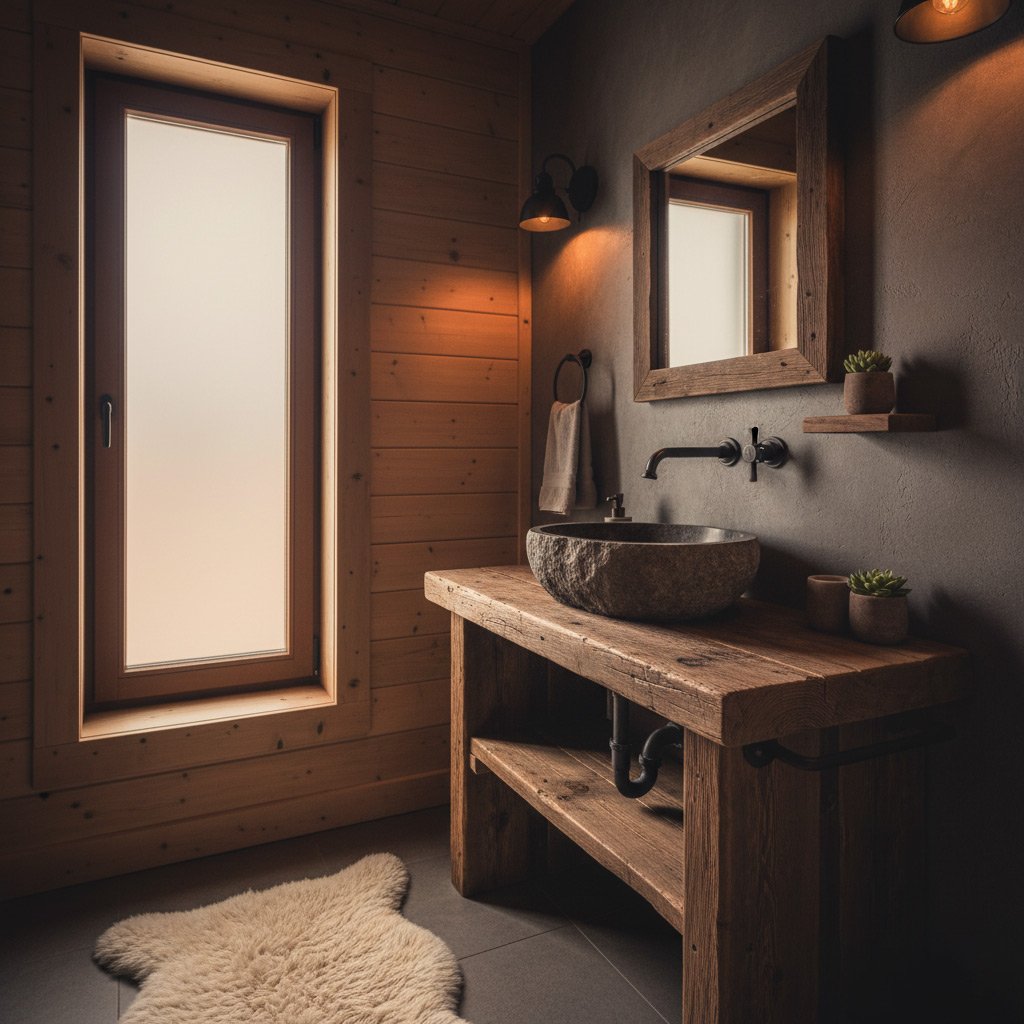
Whether you crave a sleek modern look or a cozy traditional feel, the tub you choose sets the tone. A freestanding claw‑foot tub screams classic charm, while a low‑profile acrylic tub whispers contemporary calm.
Material choices that matter
Don’t settle for the first thing you see. Each material brings its own perks:
- Cast iron – heavy, durable, holds heat like a champ.
- Acrylic – lightweight, easy to clean, budget‑friendly.
- Stone resin – a luxe feel without the stone’s weight.
Think about how the material will play with your floor, walls, and lighting. A warm stone finish can make a small bathroom feel larger.
Accessibility without sacrificing style
Adding safety features doesn’t mean you have to look like a nursing home. Consider:
- Grab bars that blend into the design – brushed nickel or matte black.
- Low‑step entry or a walk‑in tub for easy access.
- Non‑slip flooring tiles that match your décor.
These tweaks keep the space functional for all ages while keeping the aesthetic sharp.
Case Study: Successful Shower‑to‑Tub Conversion in a Queen Creek Home
When the Martinez family moved into their 2005 ranch‑style home, the master bath felt cramped. They loved the idea of a soaking tub but thought the existing shower was set in stone. After a quick walkthrough, we confirmed the space could accommodate a 60‑inch freestanding tub without sacrificing clearance.
The Process
Our crew tackled the job in three clean phases:
- Demo: Remove the shower base, tile, and surrounding wall panels.
- Plumbing: Reroute the drain and add a dedicated overflow line for the tub.
- Finish: Install a new tile floor, a sleek acrylic tub, and a custom glass panel.
The entire conversion wrapped up in just nine days, well under the homeowner’s eight‑week window. We coordinated with the local building department early, so the permit was approved on day one.
Results
Post‑conversion, the Martinezes reported a noticeable upgrade in daily comfort.
- Relaxation: Morning soaks replaced rushed showers.
- Value: The home’s resale potential jumped, according to their realtor.
- Accessibility: The tub’s low step‑in height meets senior‑friendly standards.
Final Thoughts
Make the Decision with Confidence
When you’ve weighed space, plumbing, and budget, the choice becomes clear. Don’t let fear of the unknown stall you—a well‑planned conversion adds comfort and resale value.
Remember, a tub isn’t just a luxury; it’s a practical solution for families, seniors, and anyone who enjoys a long soak after a hot Arizona day.
Next Steps for Queen Creek Homeowners
Ready to move forward? Start with a free on‑site assessment from a local specialist. They’ll map out the layout, confirm code compliance, and give you a transparent quote.
- Schedule the inspection – it takes less than an hour.
- Review the detailed proposal – no hidden fees.
- Approve the plan and watch your bathroom transform.
Need inspiration or want to see more examples? Check out our Shower to Tub Conversion page for before‑and‑after photos, client stories, and a quick FAQ.
People Also Ask
How do I know if my bathroom has enough space for a tub?
A tub typically requires 30‑36 inches of width and at least 60 inches of length. Measure the existing shower footprint and check for clearance around walls, doors, and fixtures to ensure a comfortable fit.What are the main signs that a tub would be more practical than a shower?
If you have children, elderly family members, or need a relaxing soak, a tub offers safety and therapeutic benefits. Frequent water splashing or limited shower storage can also indicate a tub would be more functional.Will converting a shower to a tub affect my home’s plumbing?
Yes, a tub usually needs a higher‑capacity drain and a different faucet setup, which may require rerouting supply lines. A licensed plumber can assess whether existing pipes can accommodate the change or need upgrades.How much does a shower‑to‑tub conversion typically cost in Queen Creek?
Costs range from $2,500 to $6,000 depending on tub style, labor rates, and any necessary permits. Adding custom tile or accessibility features can increase the budget.Do I need a building permit for a shower to tub conversion in Queen Creek?
Most structural or plumbing modifications require a permit from the Town of Queen Creek. Check with the local building department to confirm requirements before starting the project.
Queen Creek Bathroom Remodel specializes in custom bathroom renovations, bringing over a decade of craftsmanship to homes throughout Queen Creek, Arizona. Their team combines local knowledge with a commitment to quality workmanship, ensuring each project reflects the homeowner’s vision and the region’s style.
Need Bathroom Remodel?
Fast, high‑quality bathroom remodels in Queen Creek and surrounding ZIPs (85140, 85141, 85233, 85234, 85295) that transform your space and boost home value. We deliver completed projects on schedule so you can enjoy your new bathroom sooner.
Get Bathroom Quote